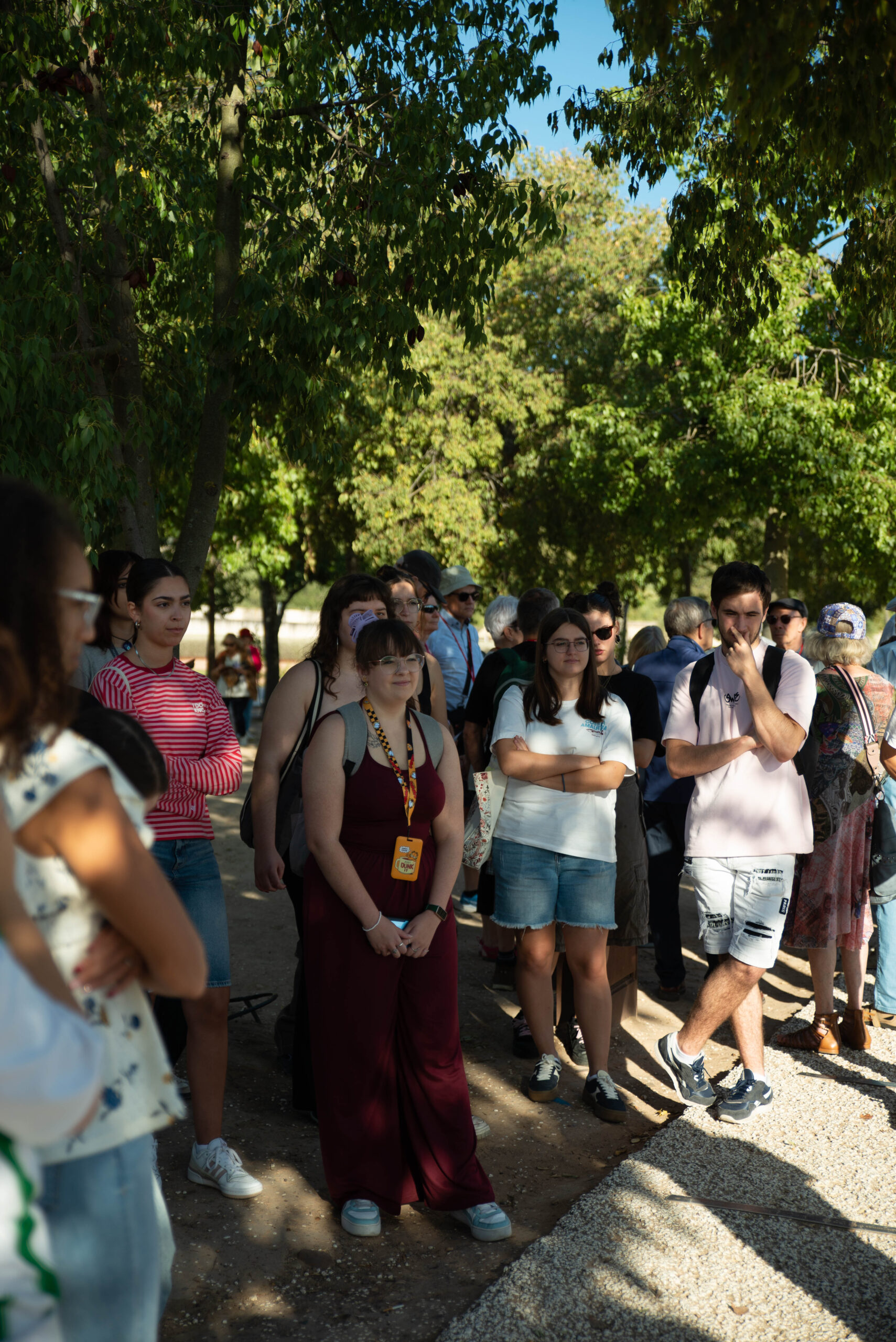
Educational trips to explore Arab heritage, old and new, in Italy, Spain, Malta, and Türkiye

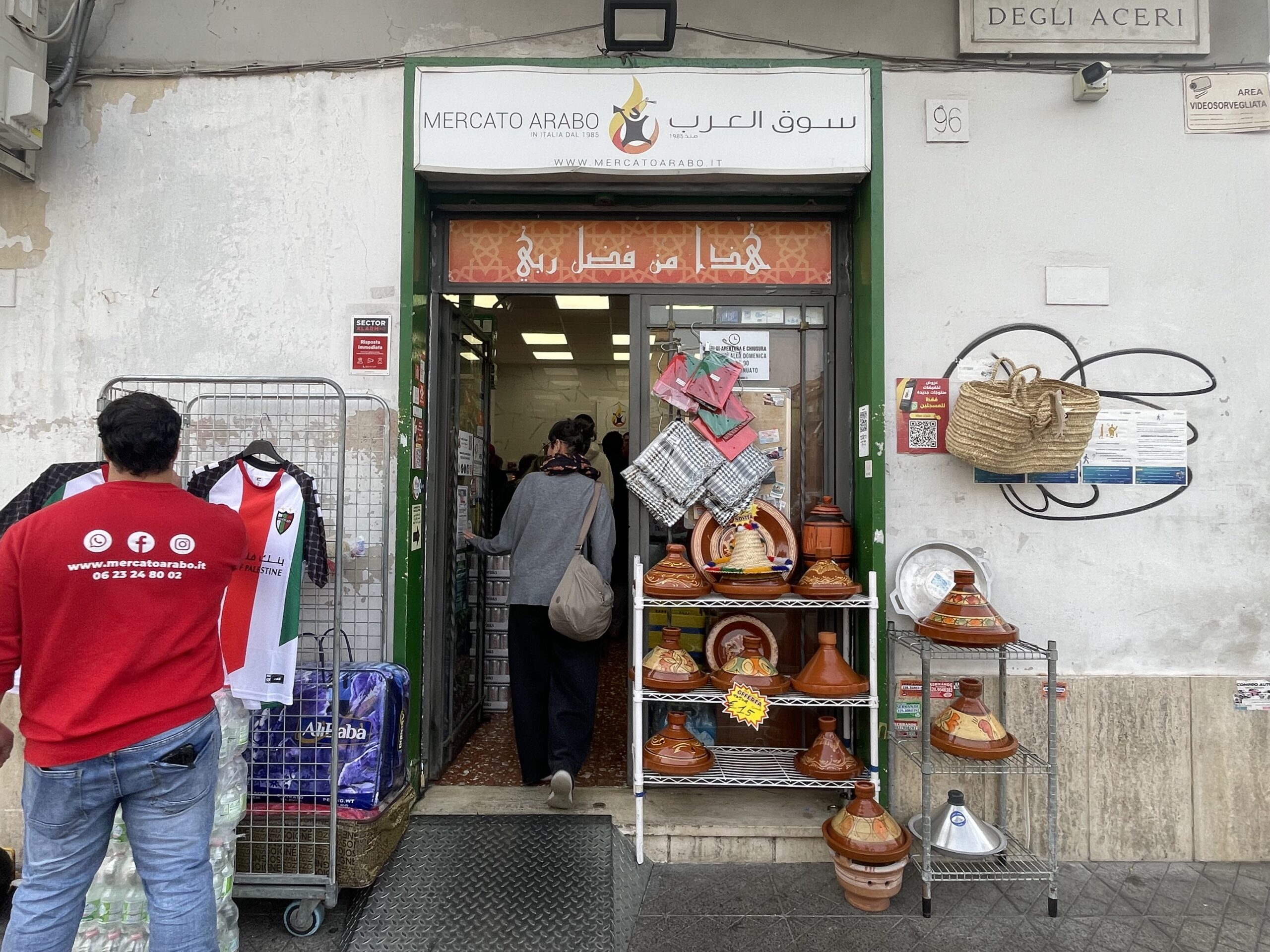
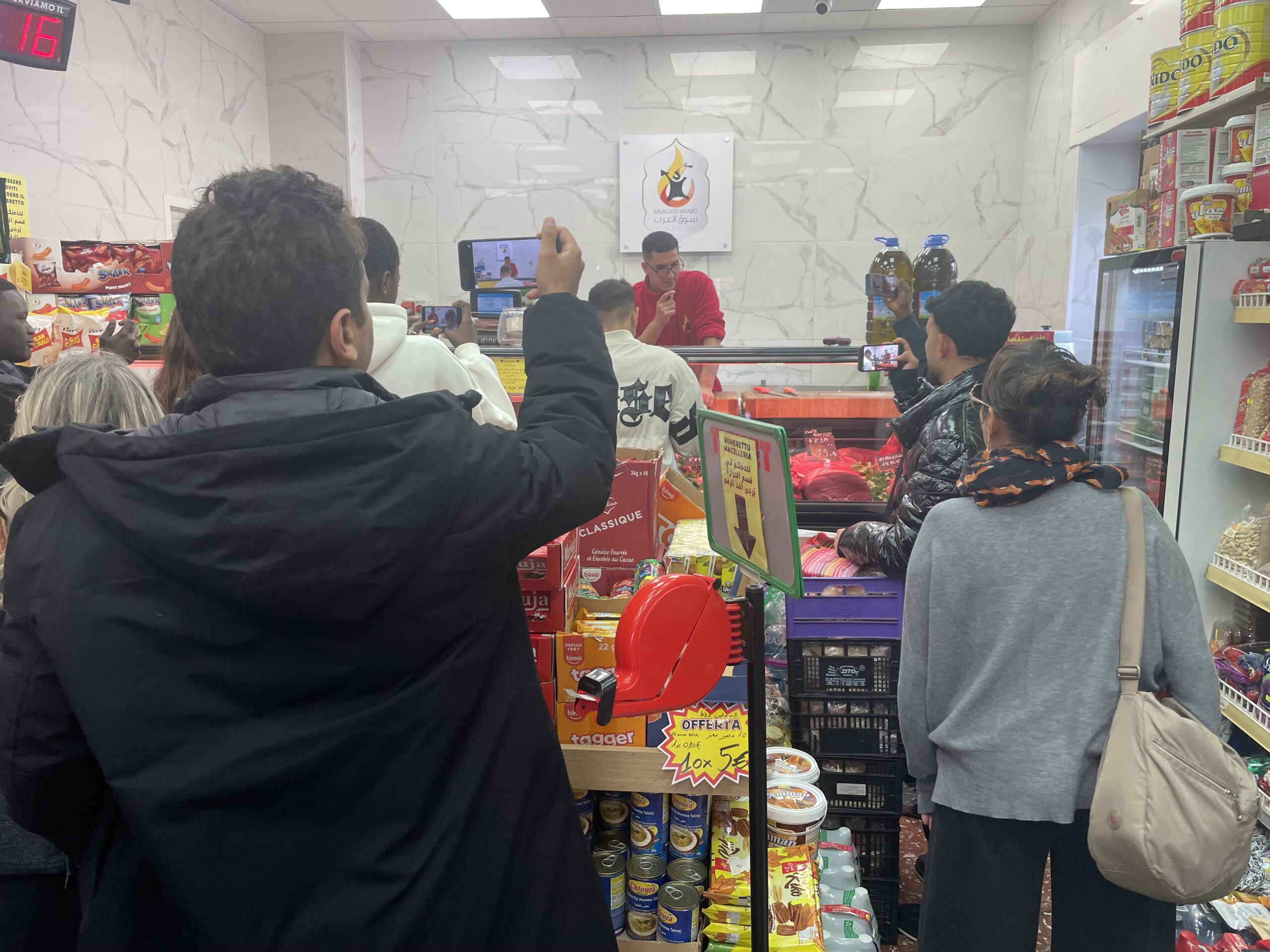
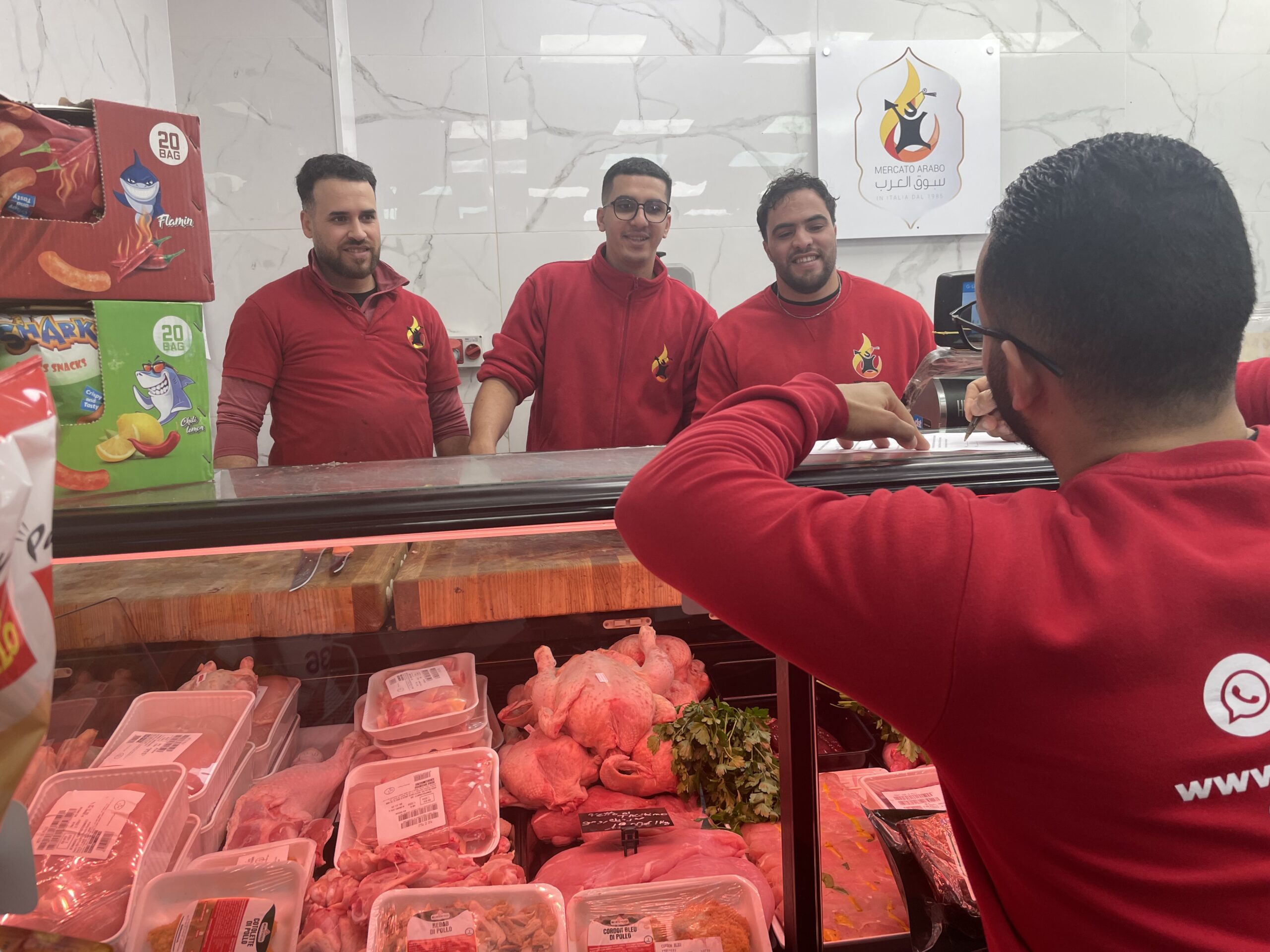
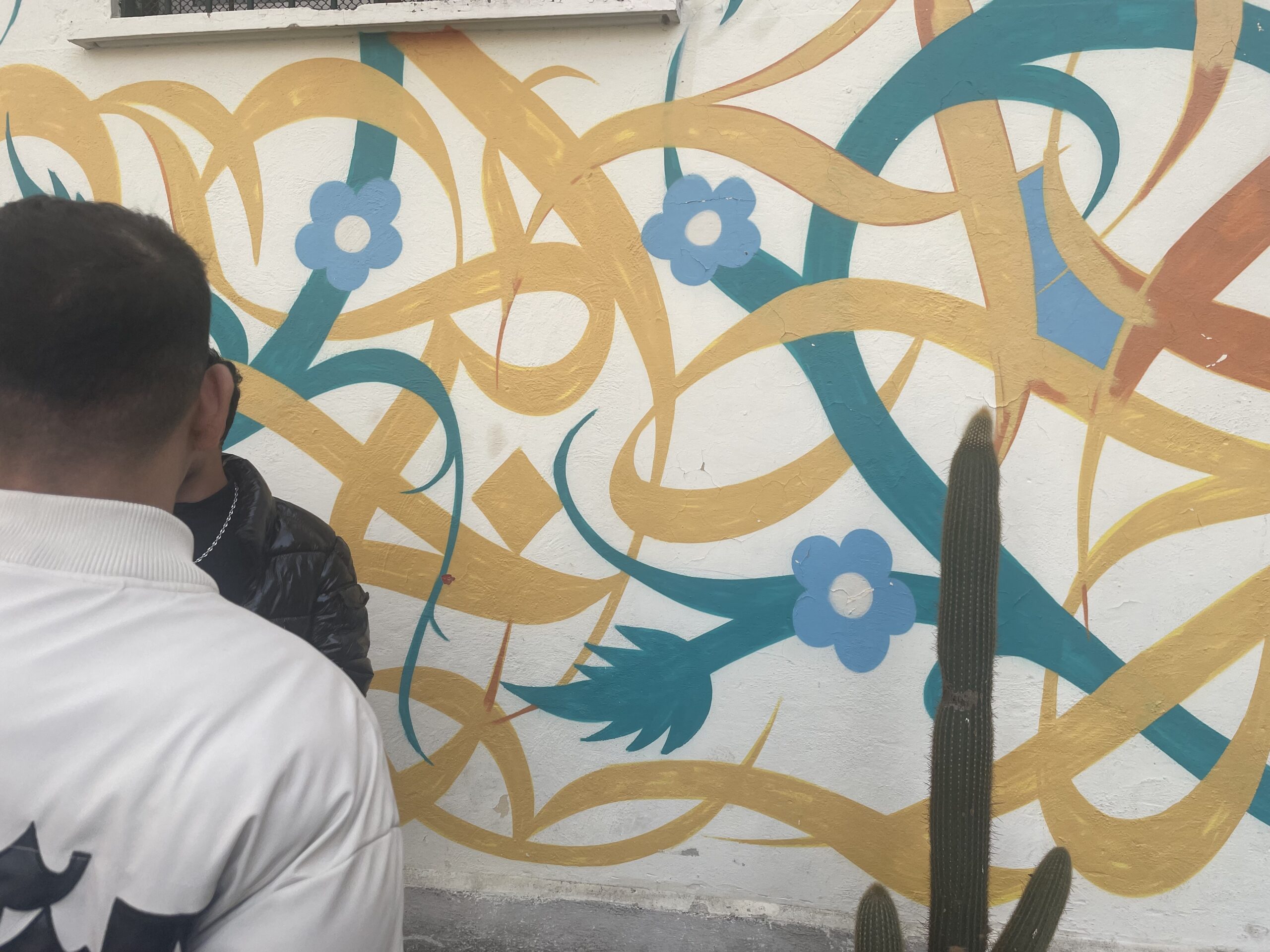
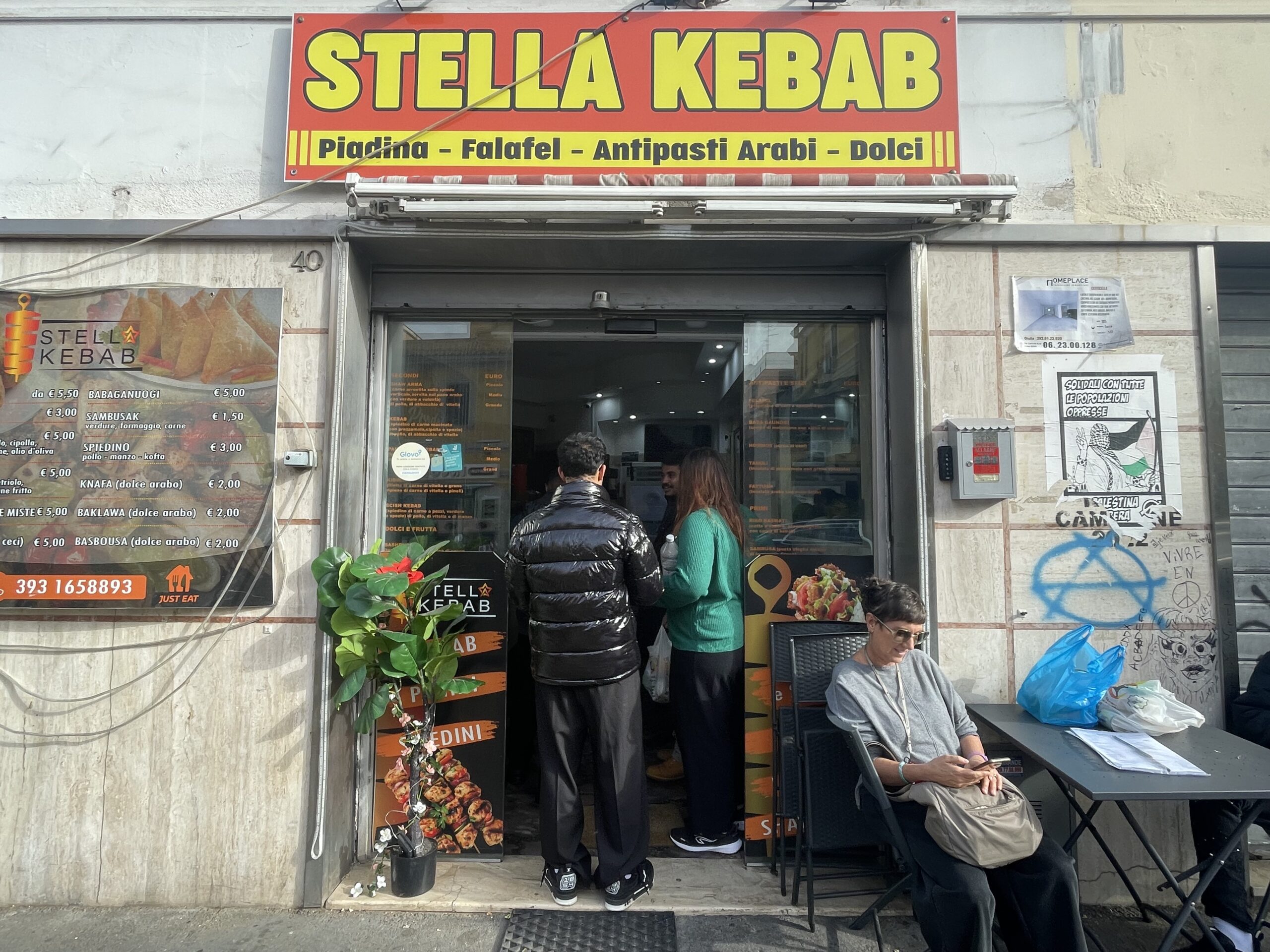
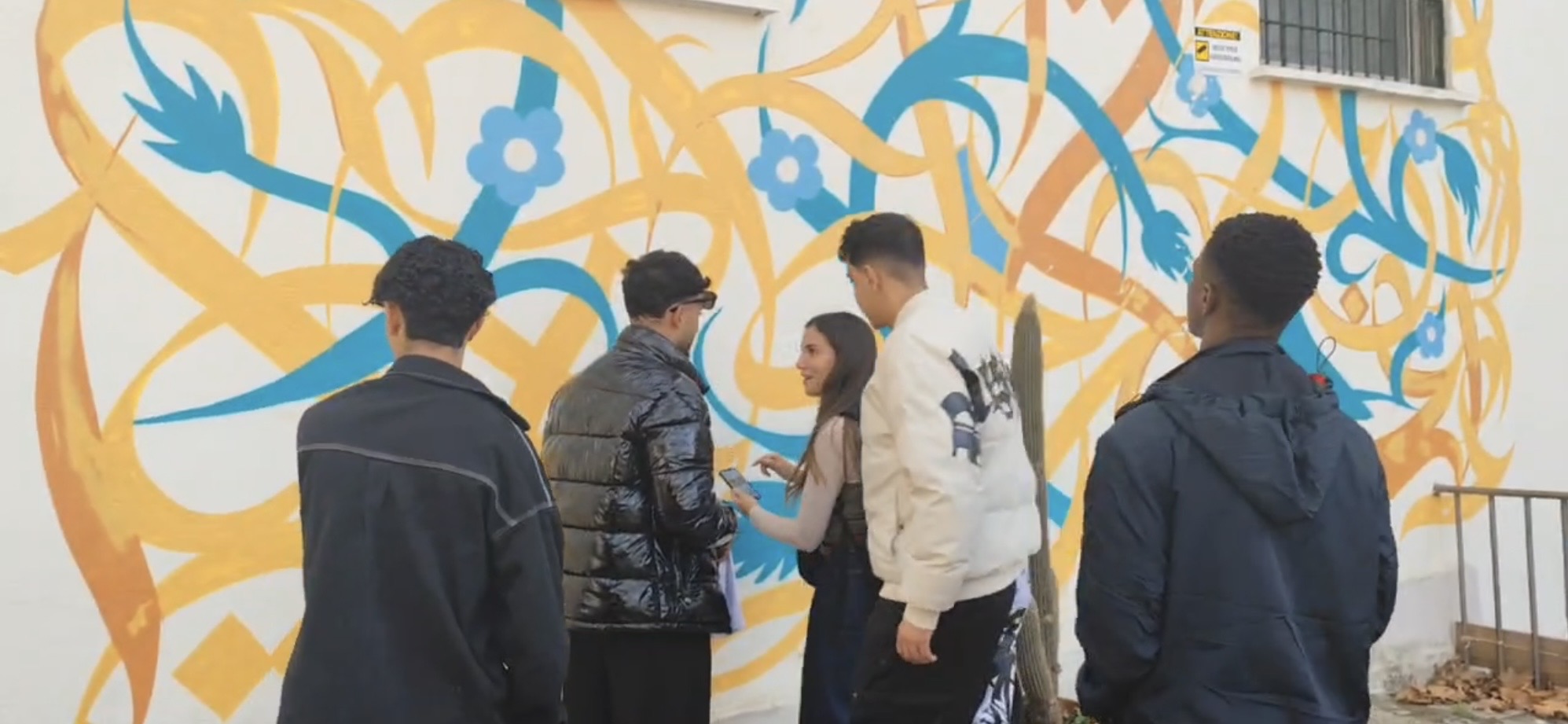
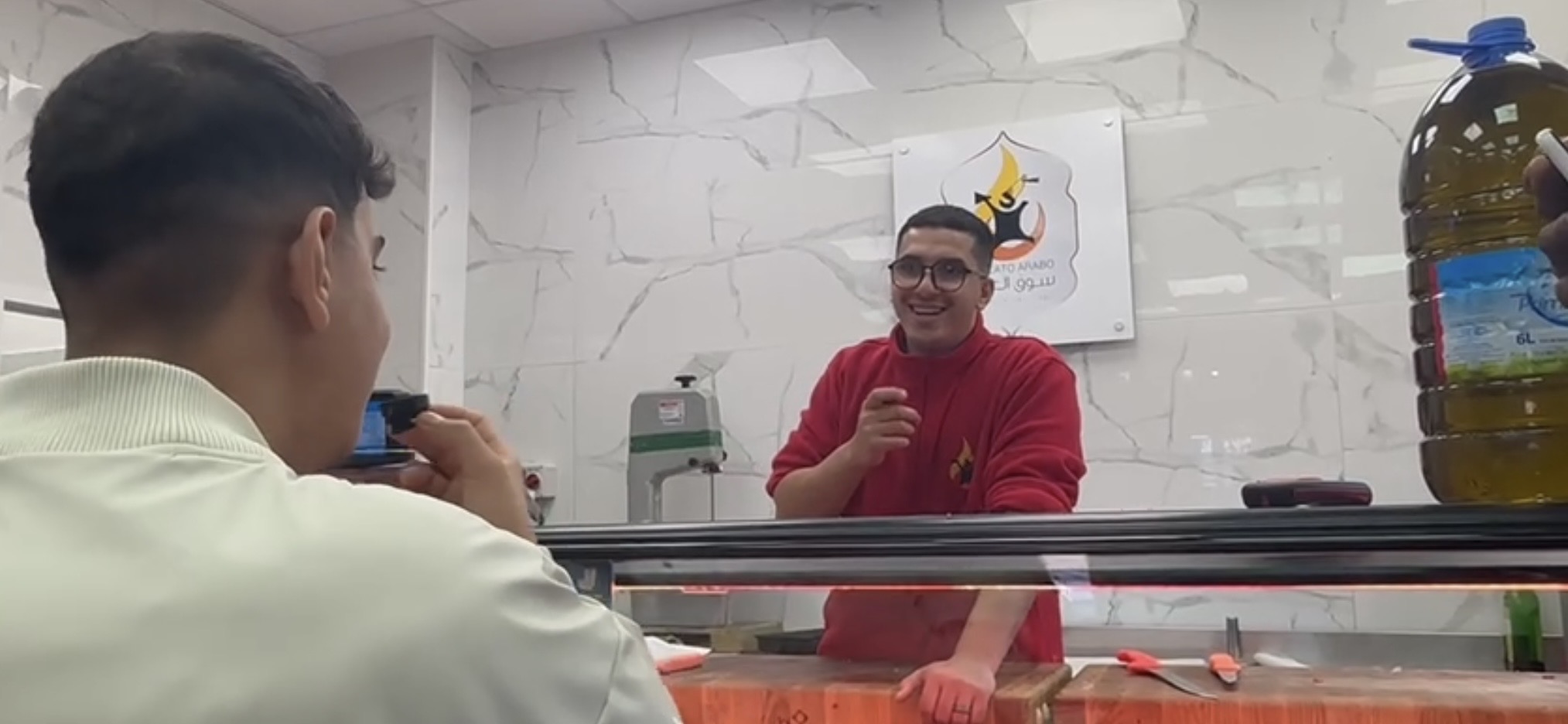
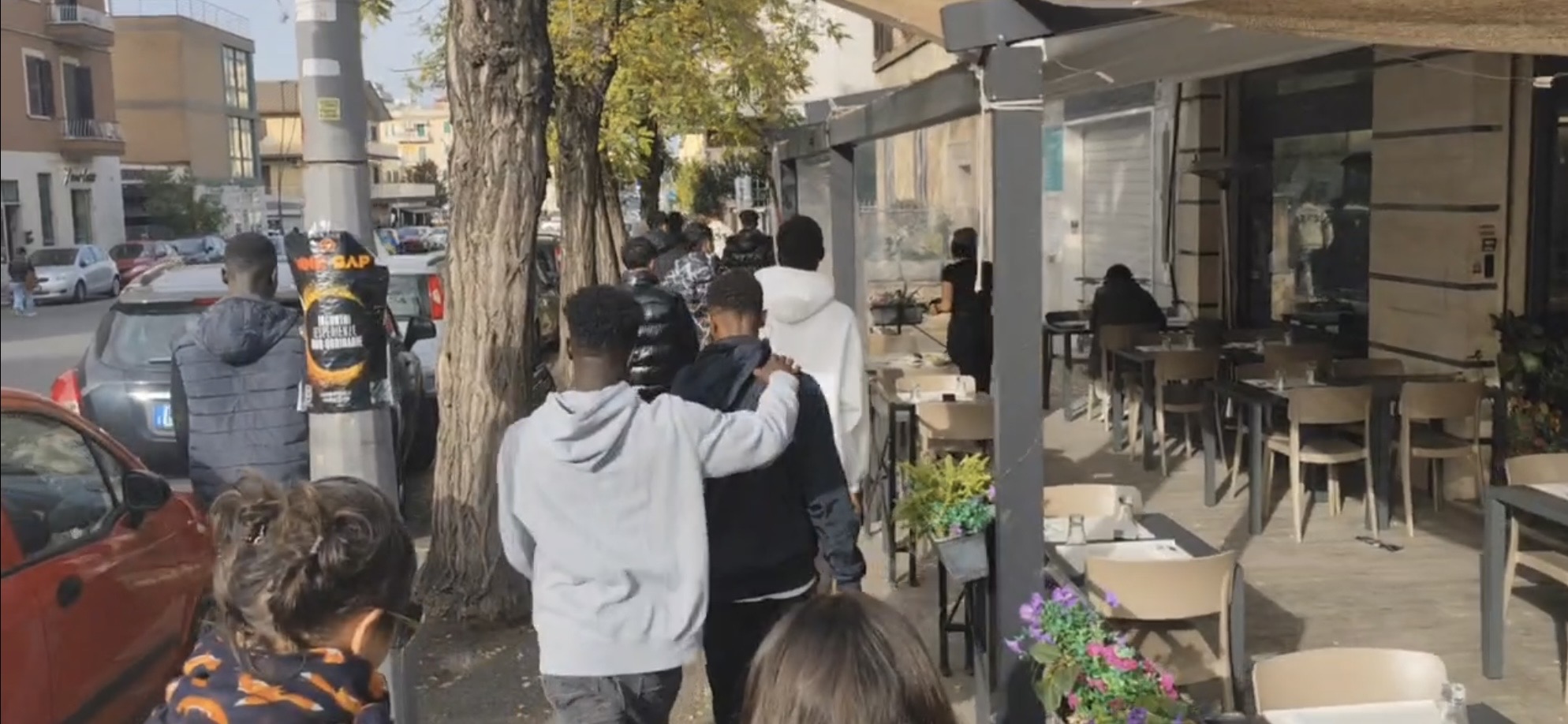
In Italy, the trips in Rome were one at the Centocelle neighborhood, in order to explore a densely Arab-populated neighborhood in Rome and, in particular, the Arab market and the MusaOne Morales using Arabic calligraphy.
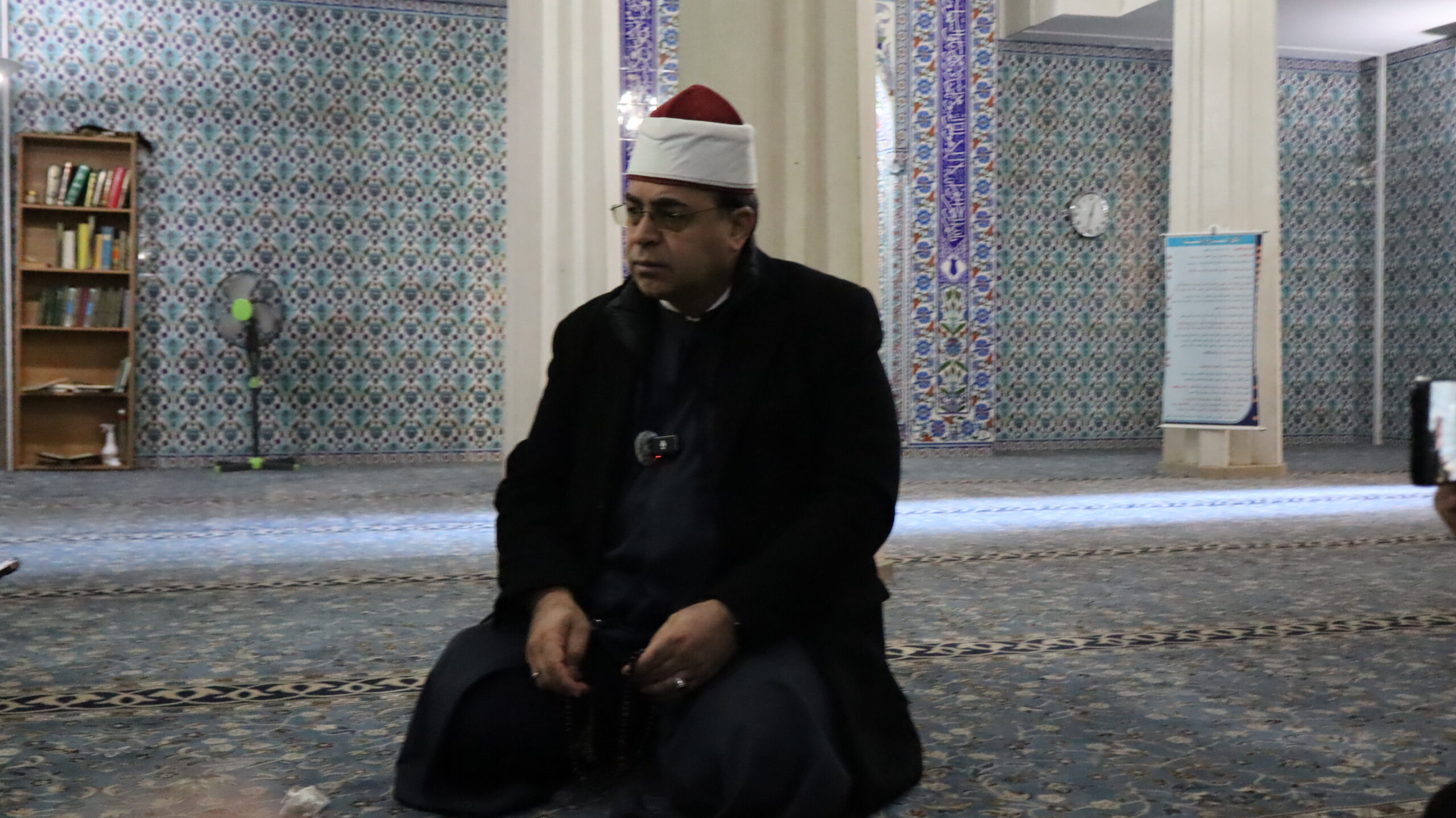
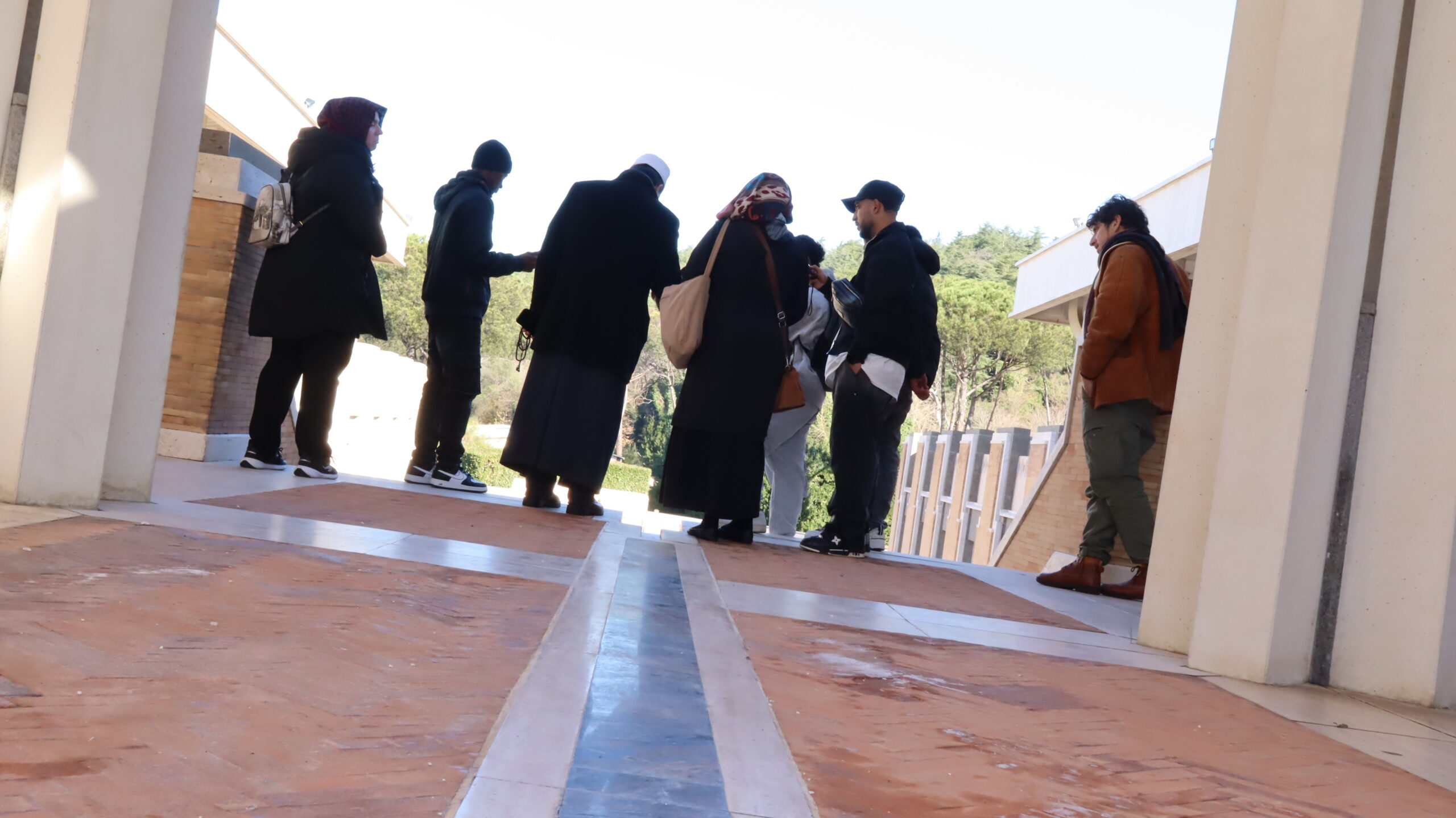
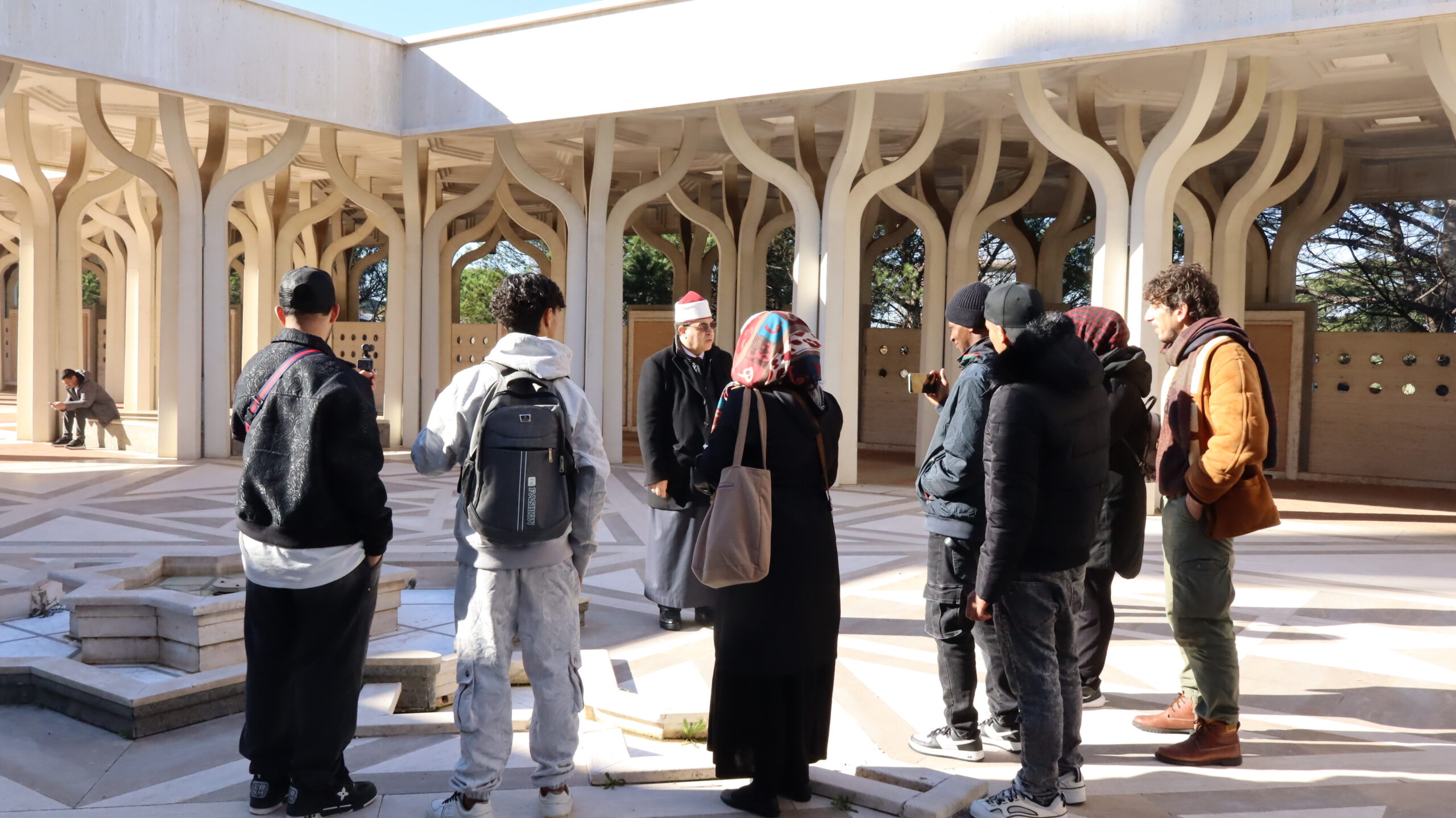
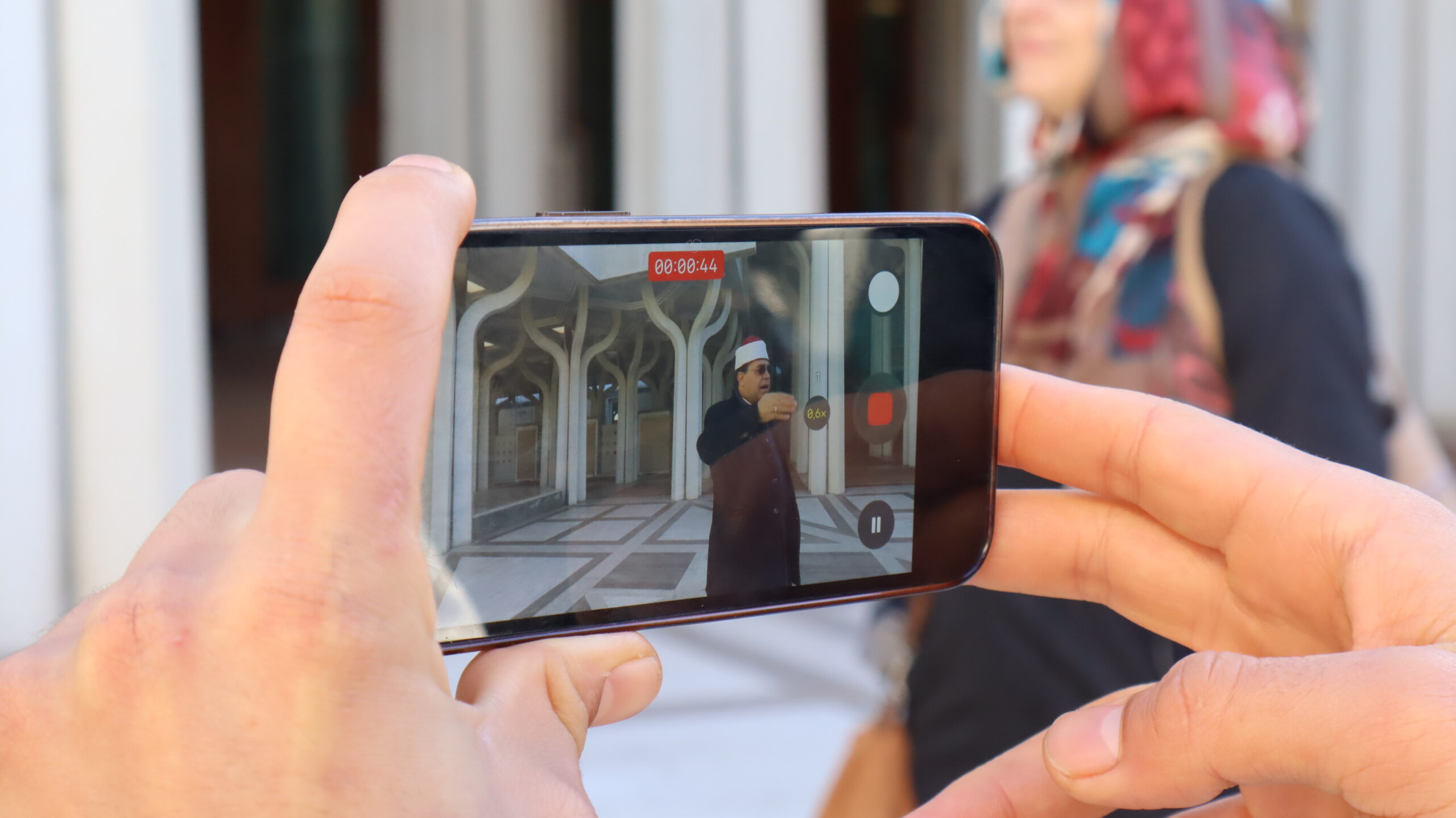
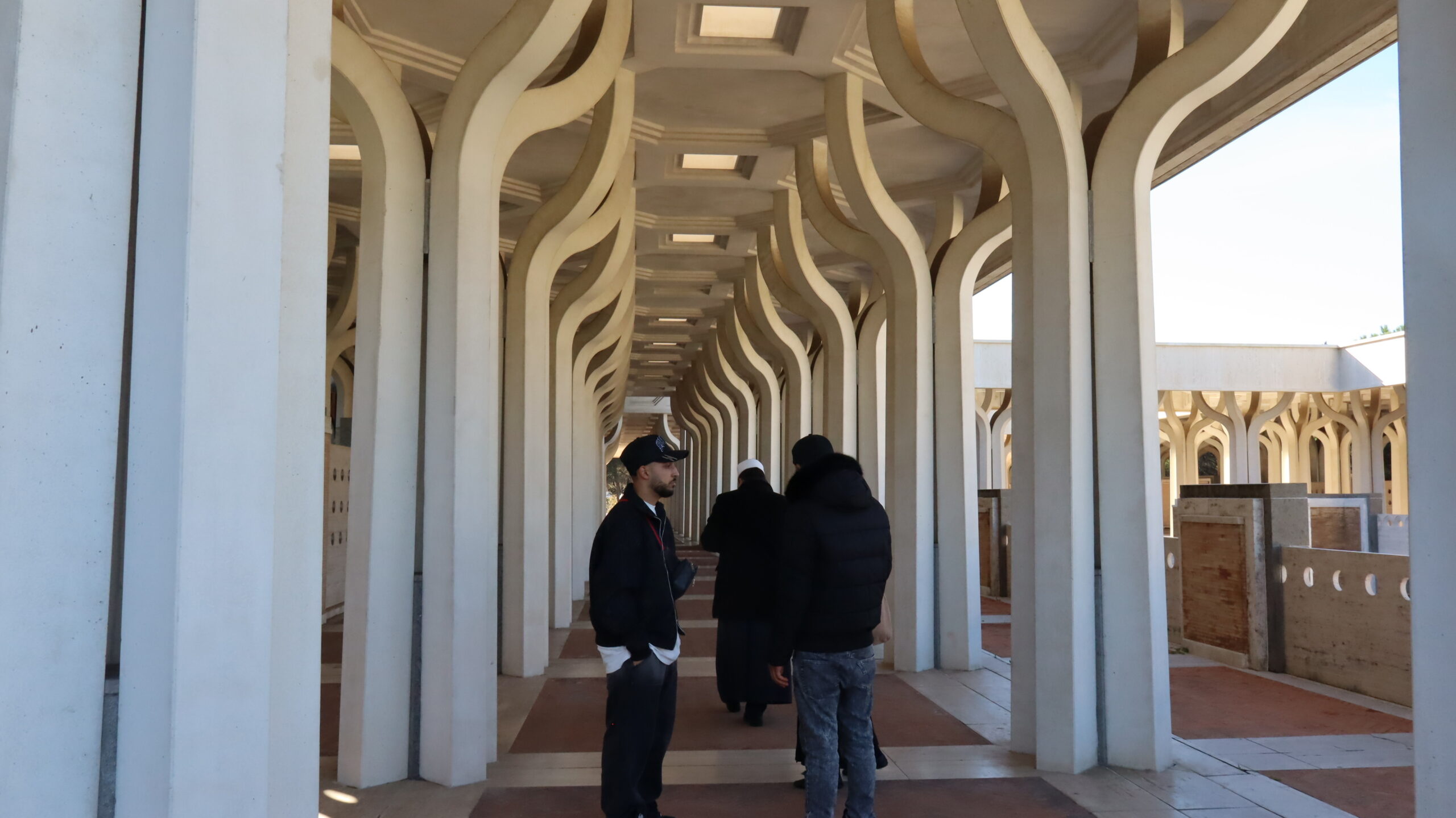
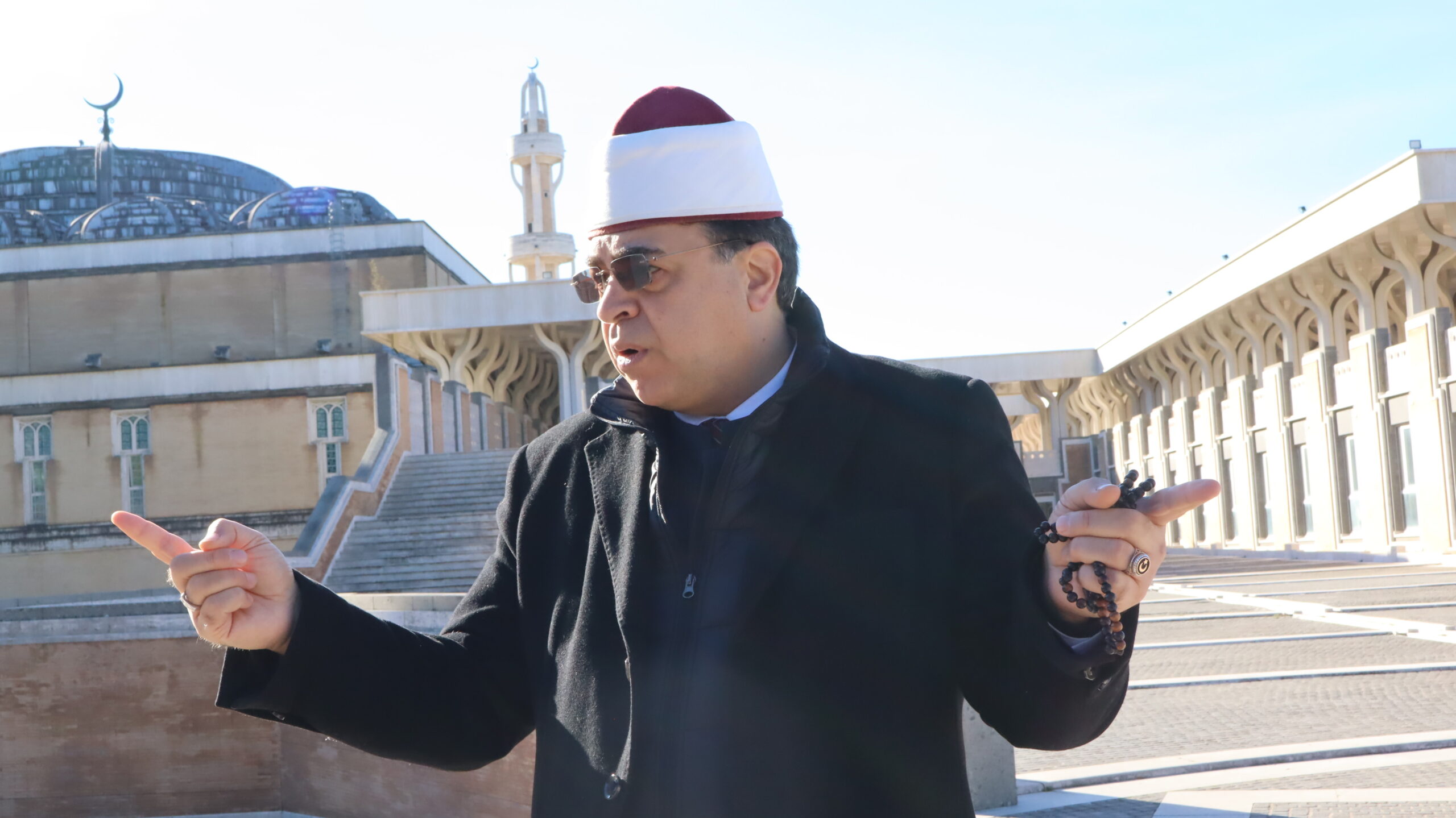
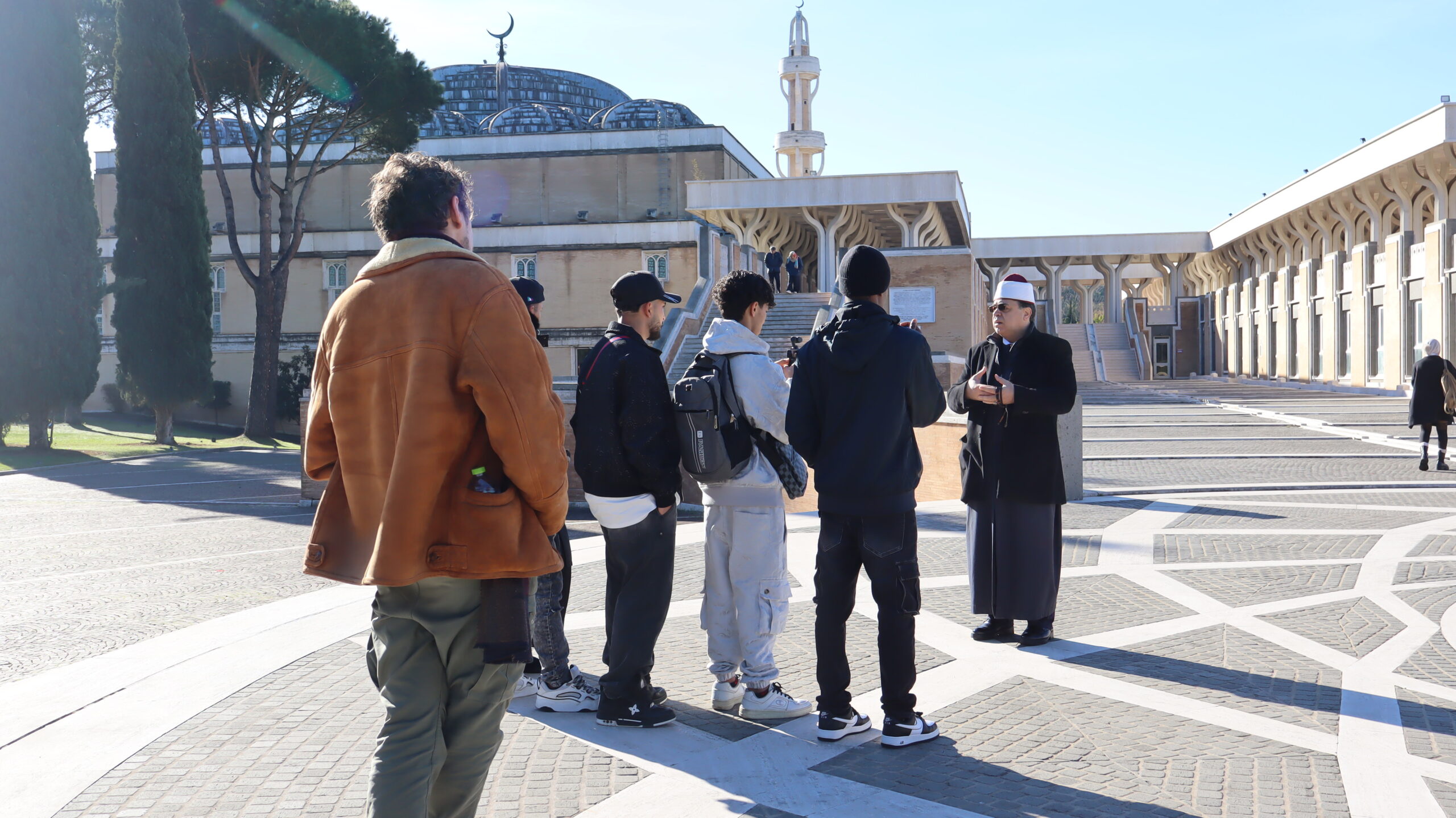
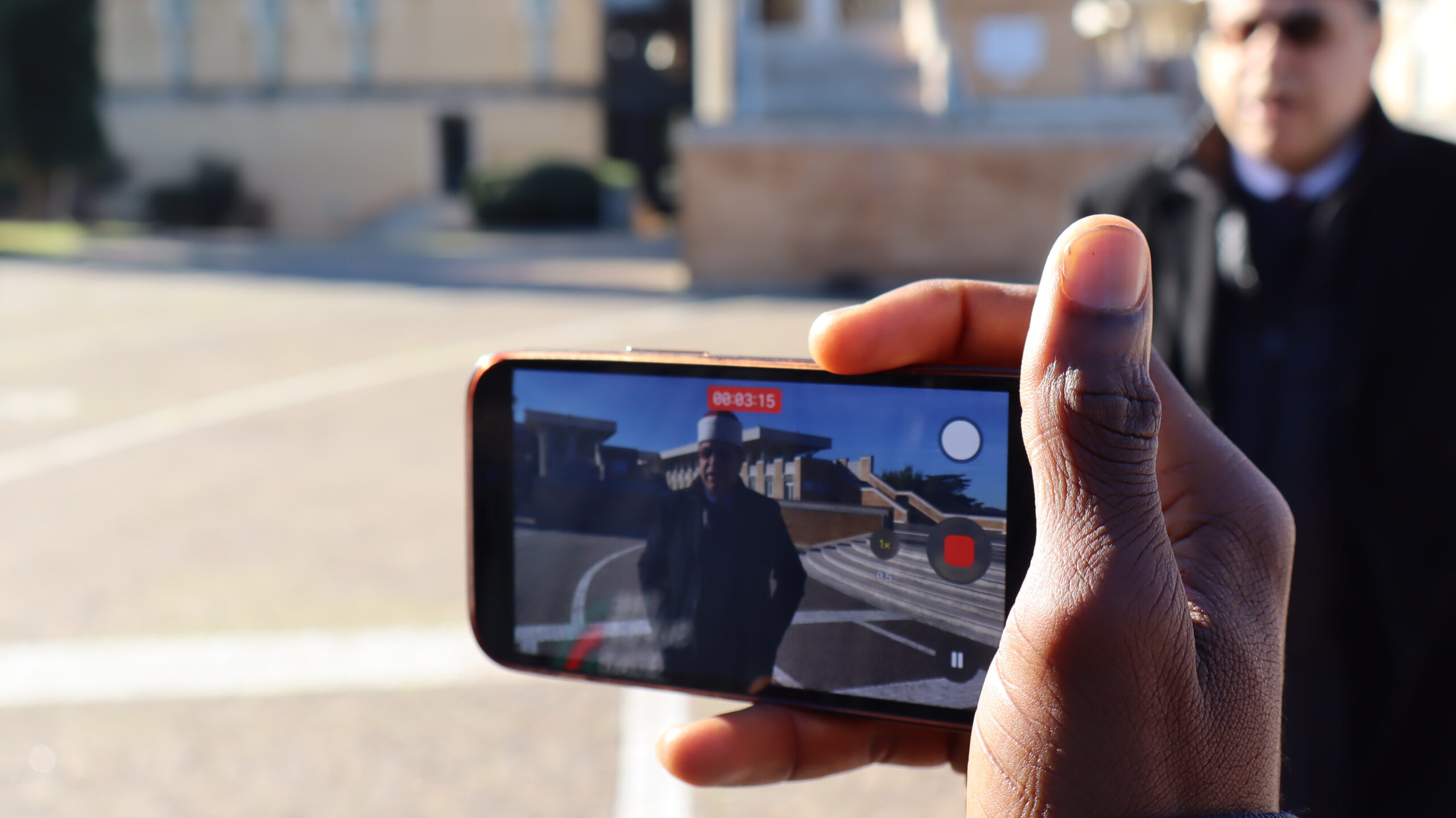
The second trip was organized in order to visit the Great Mosque of Rome with the host of the imam, another Akkad, who introduced the group to all aspects of Arab presence and Arab influence, both in the architecture and in the life and activity of the Great Mosque of Rome.
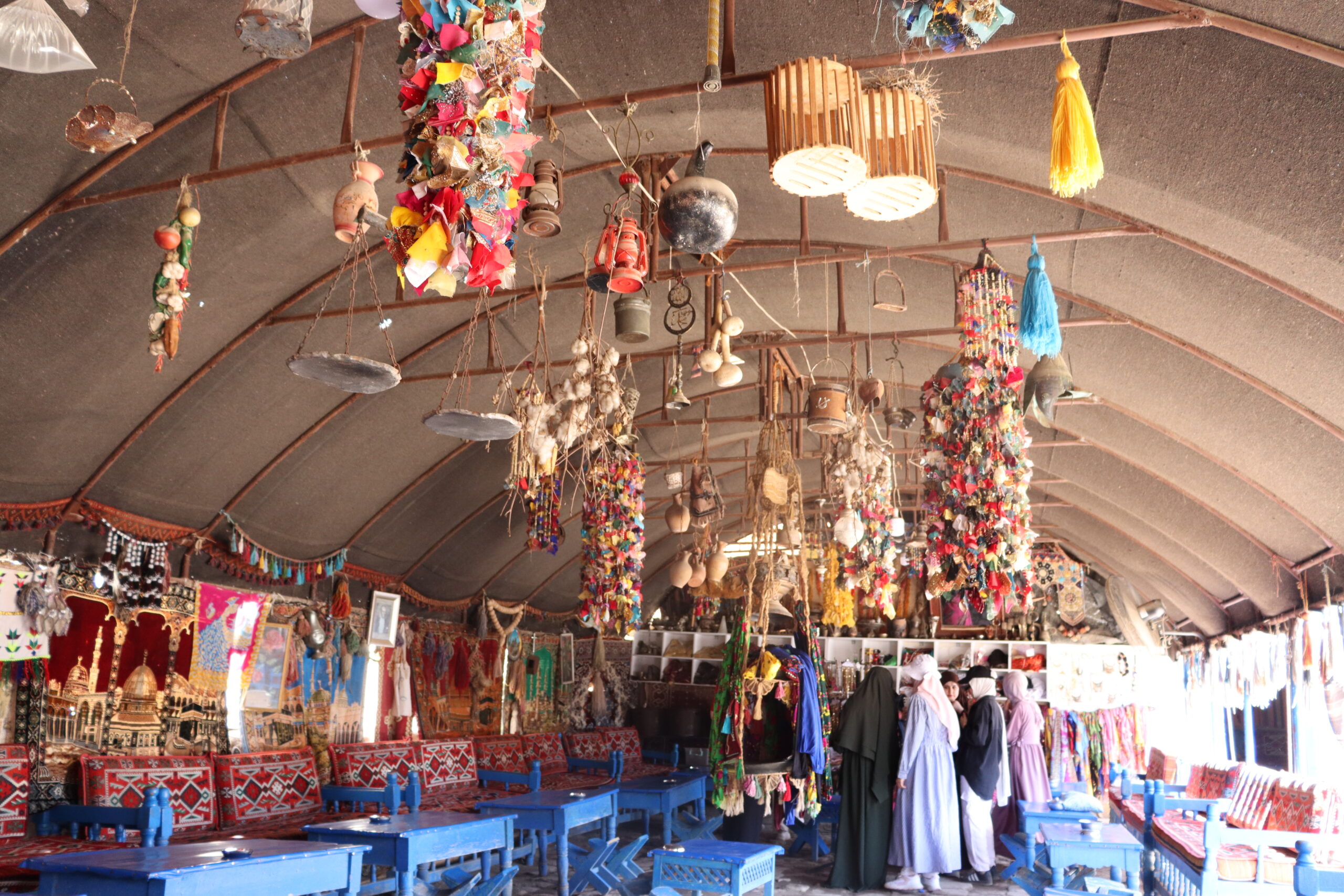
In Türkiye, the trips organized were in the city of Harran and Şanlıurfa. The trip was also portrayed in detail in one of the podcast episodes.
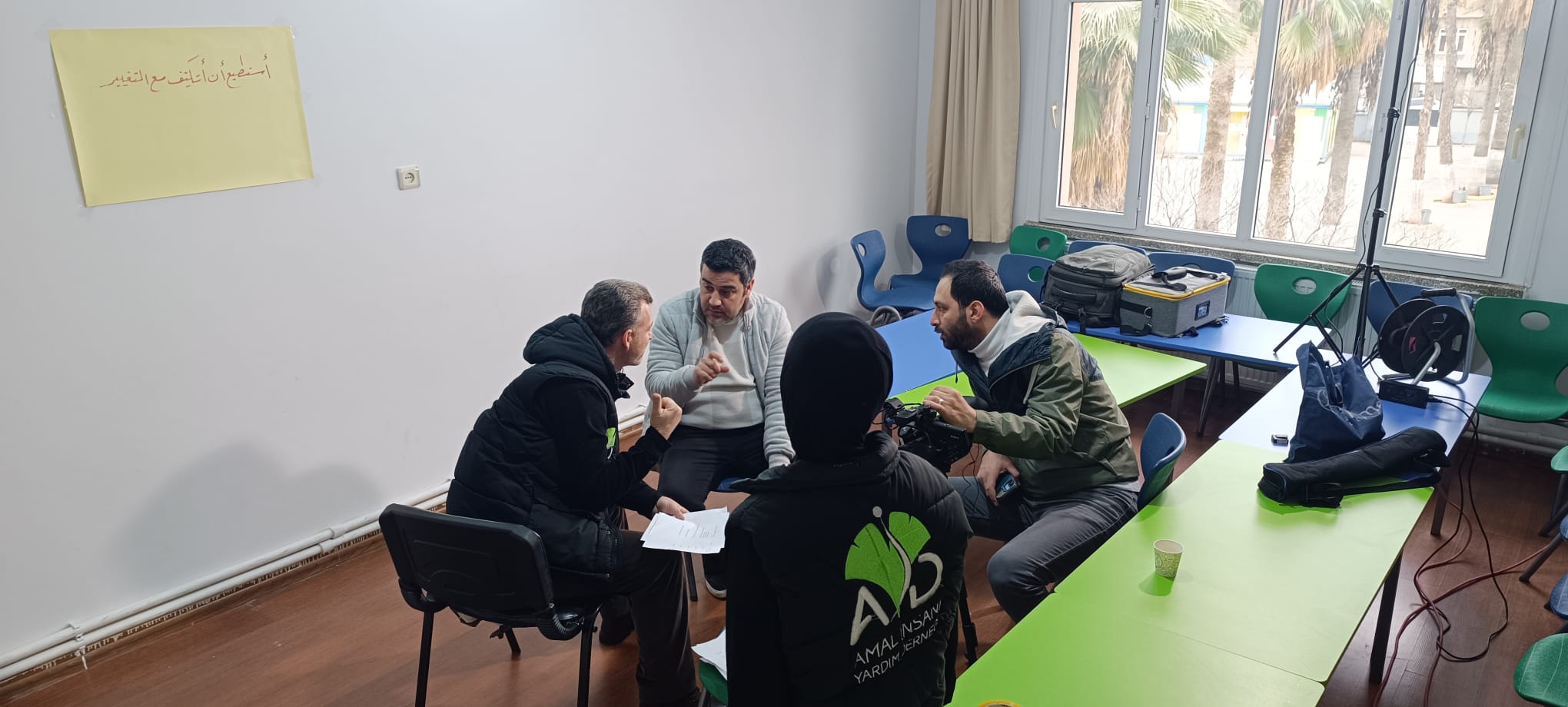
the second trip was in Kilis itself, a city on the border between Syria and Turkey, characterized by the highest ratio of refugees over host communities, by exploring the contemporary contribution of Syrian refugees from 2011 in daily life, which is also portrayed in one of the podcast episodes.
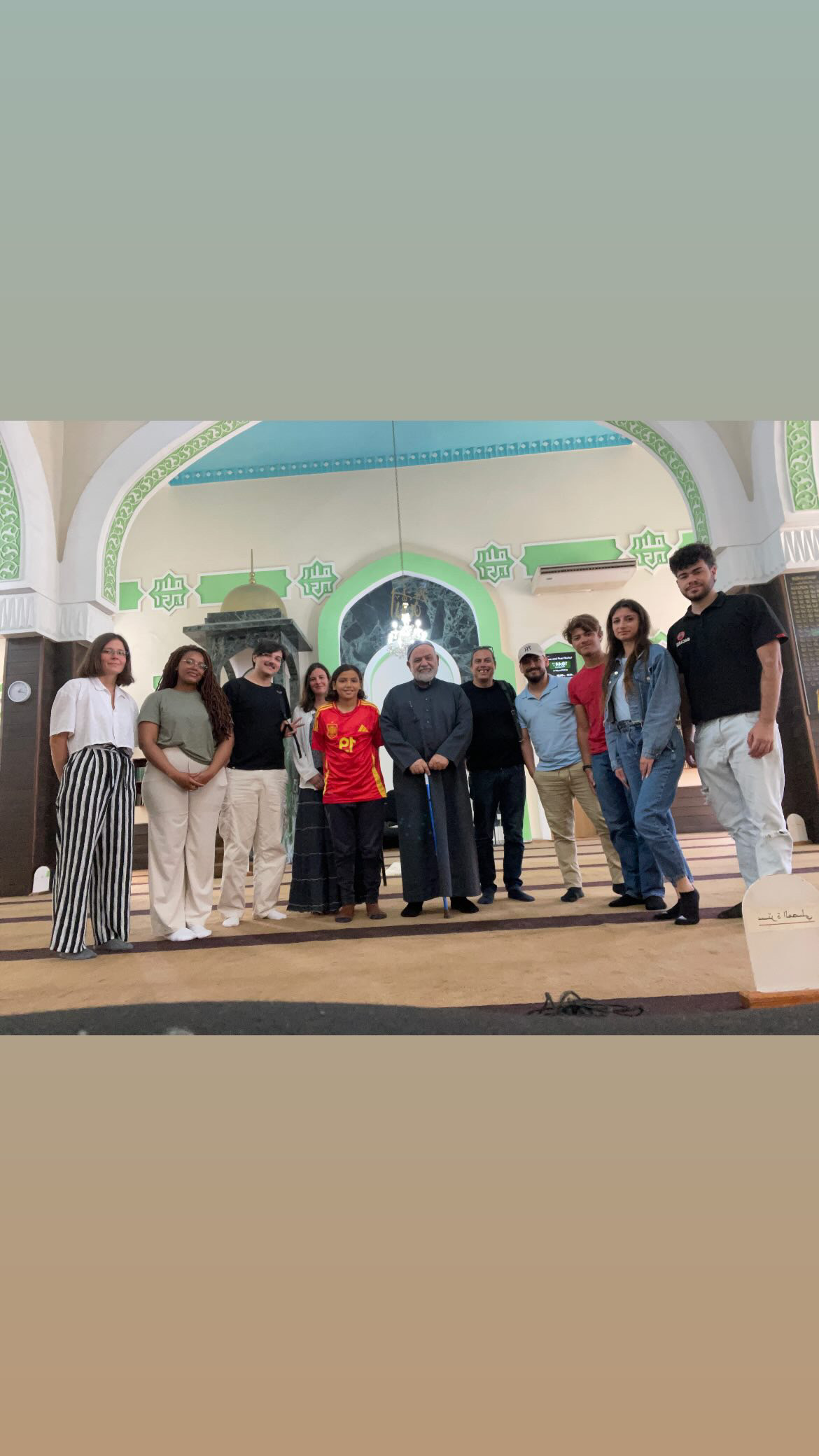
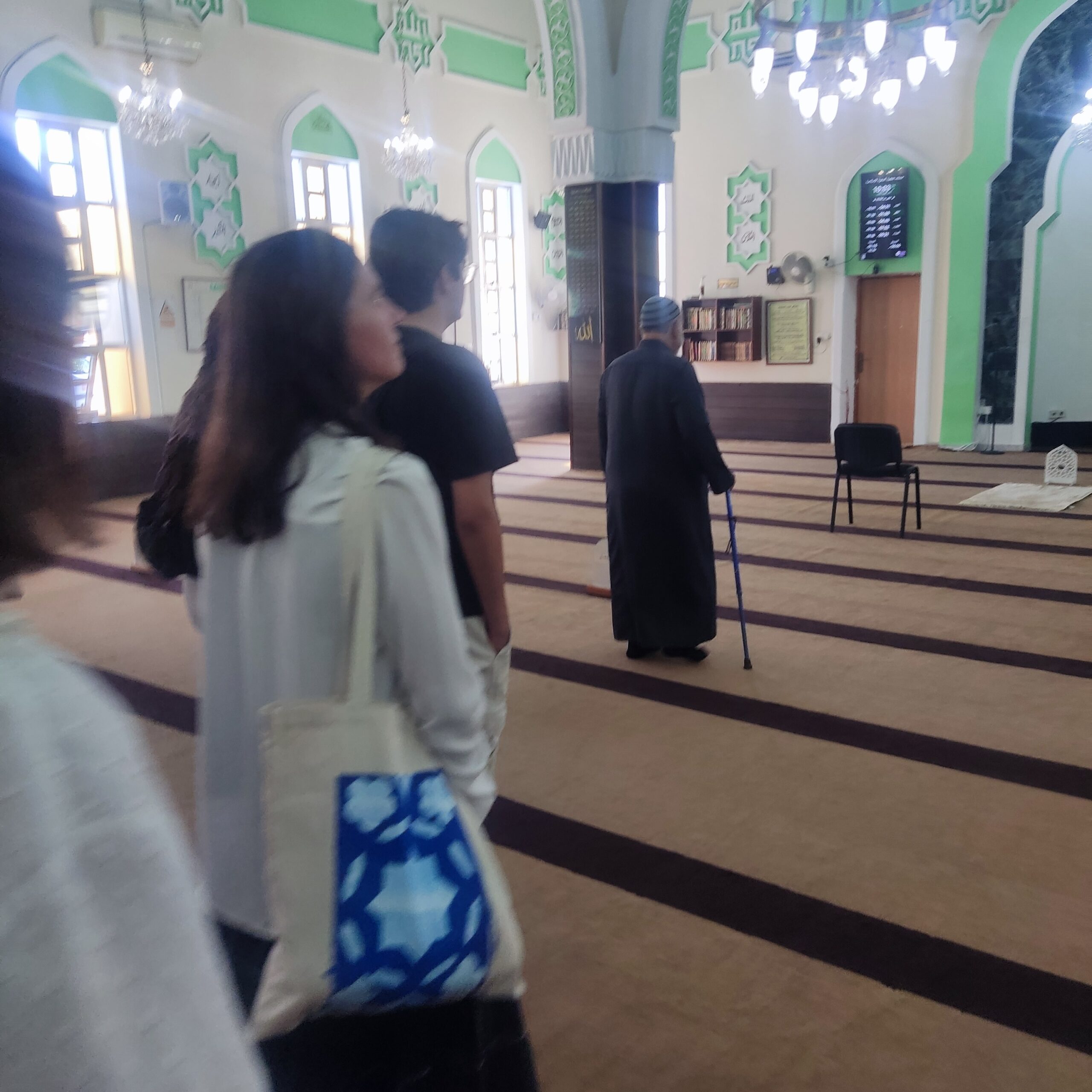
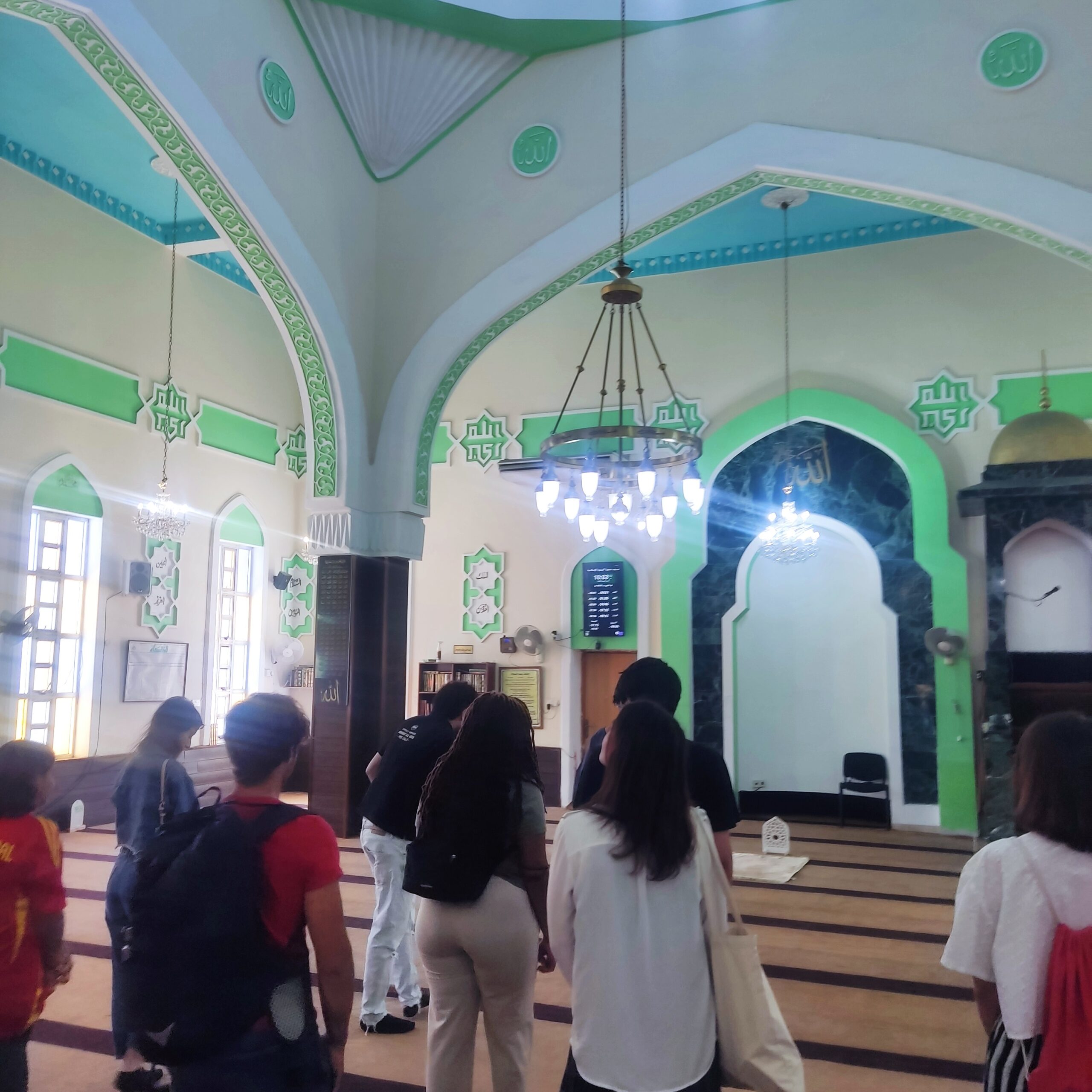
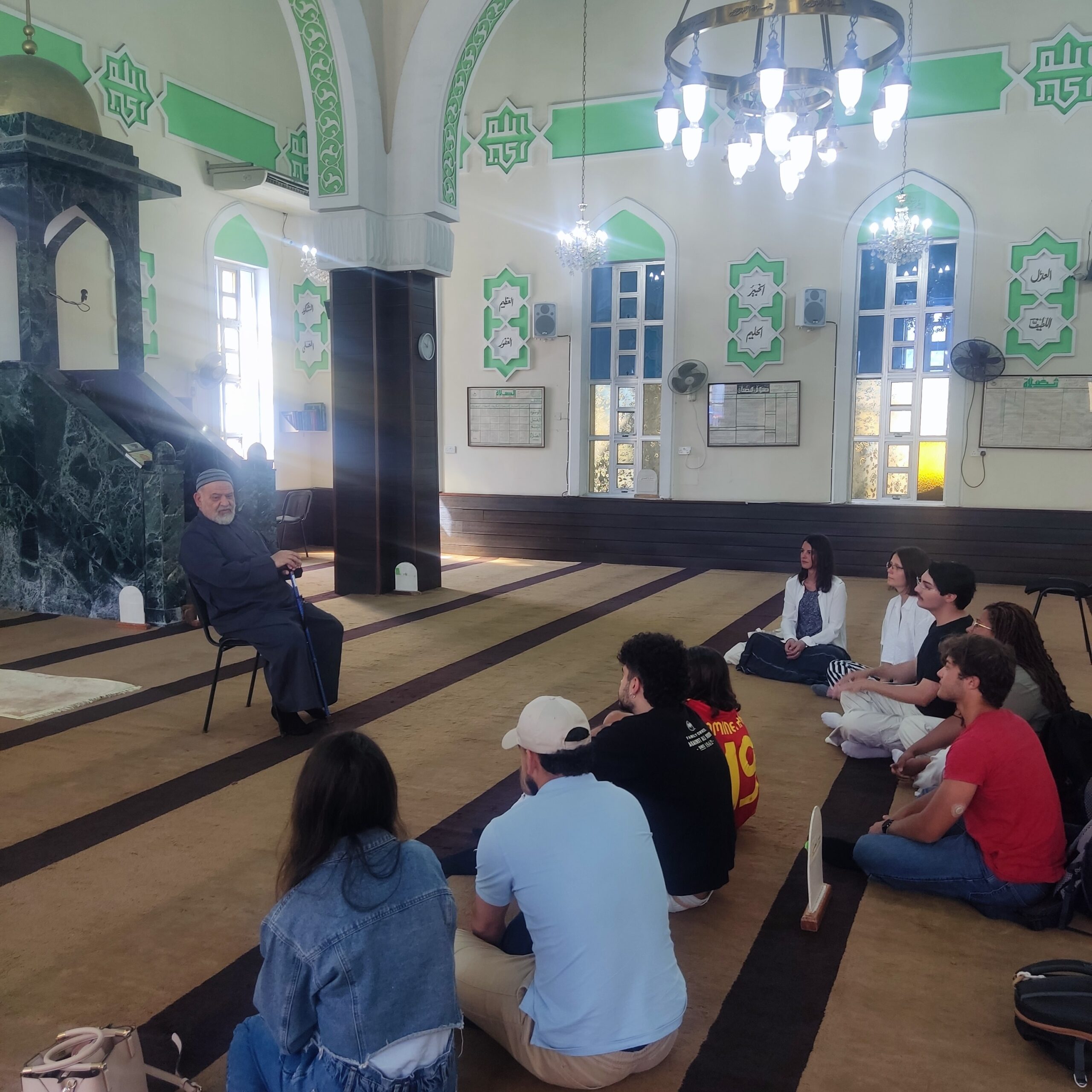
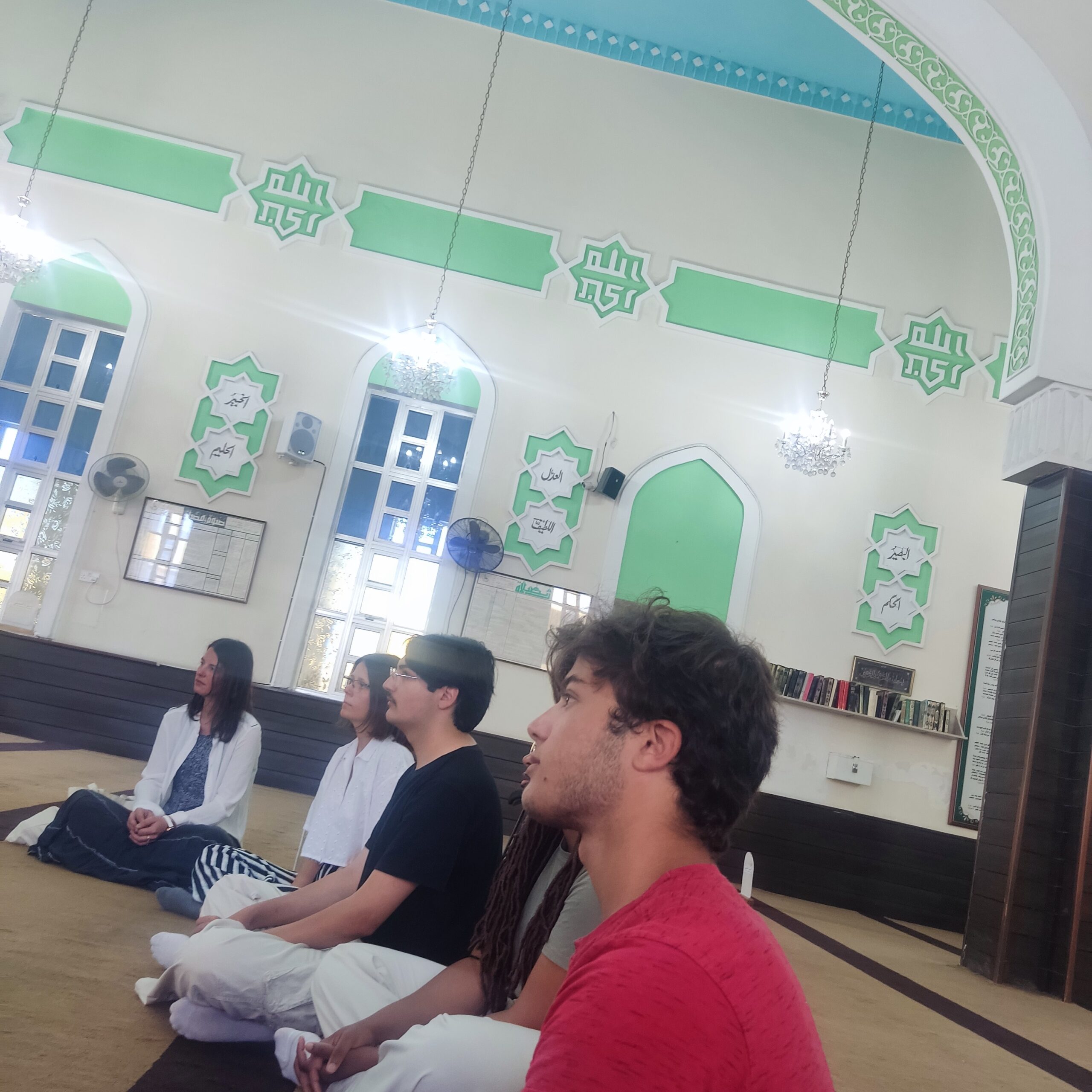
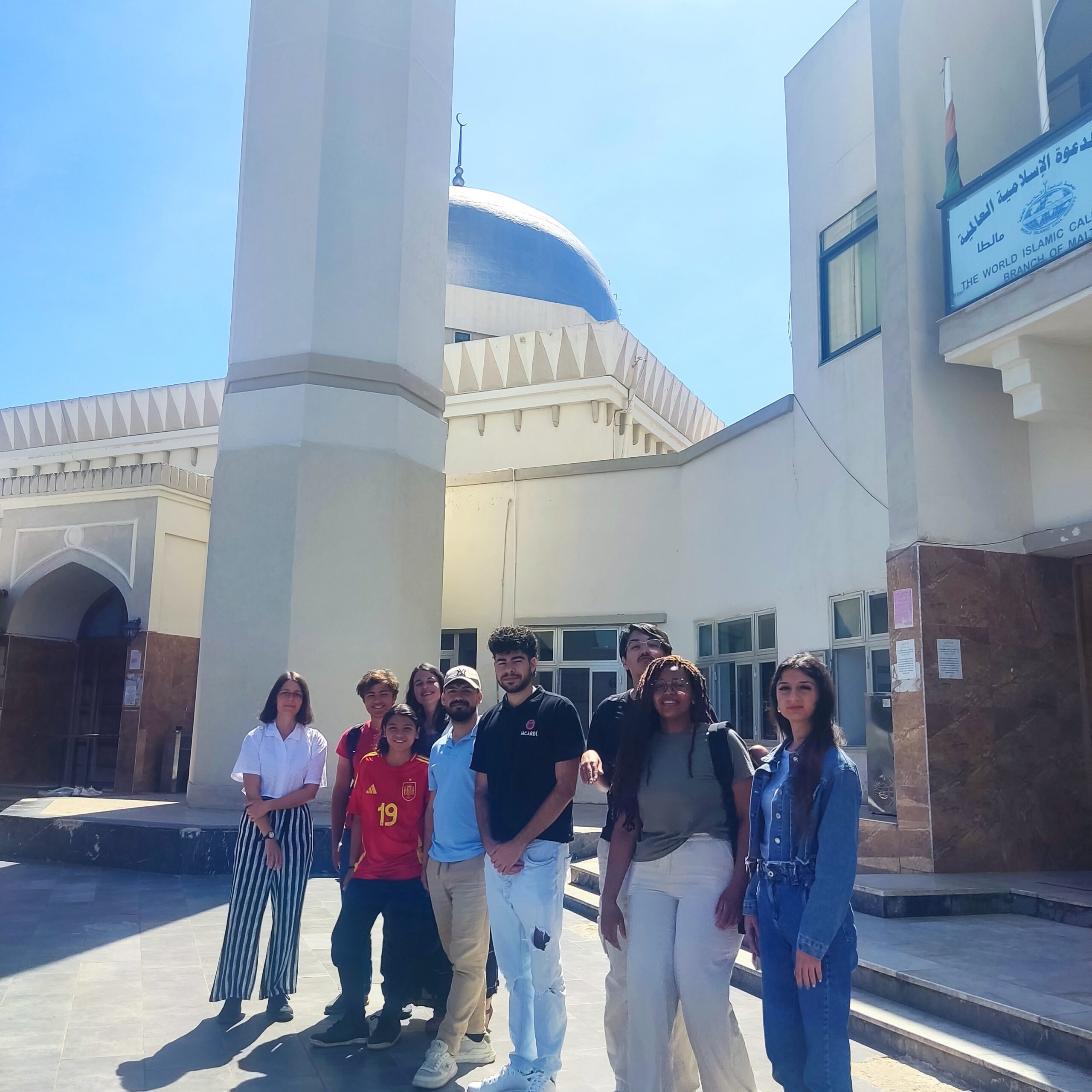
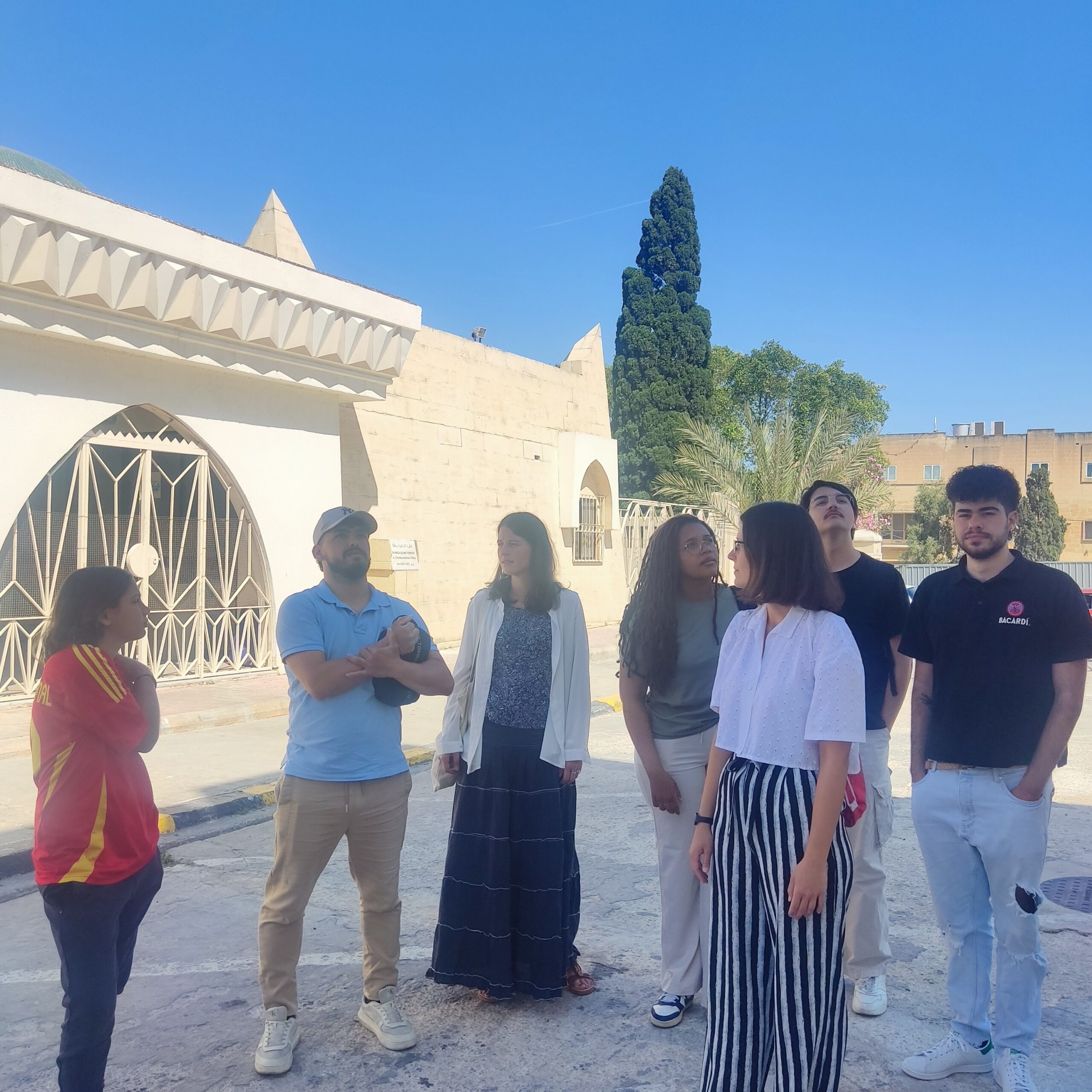
In Malta, the first trip was organized in the mosque of Paola. The visit aimed to document the historical Arab influence present in Malta while also exploring its contemporary expression within the local Muslim community.
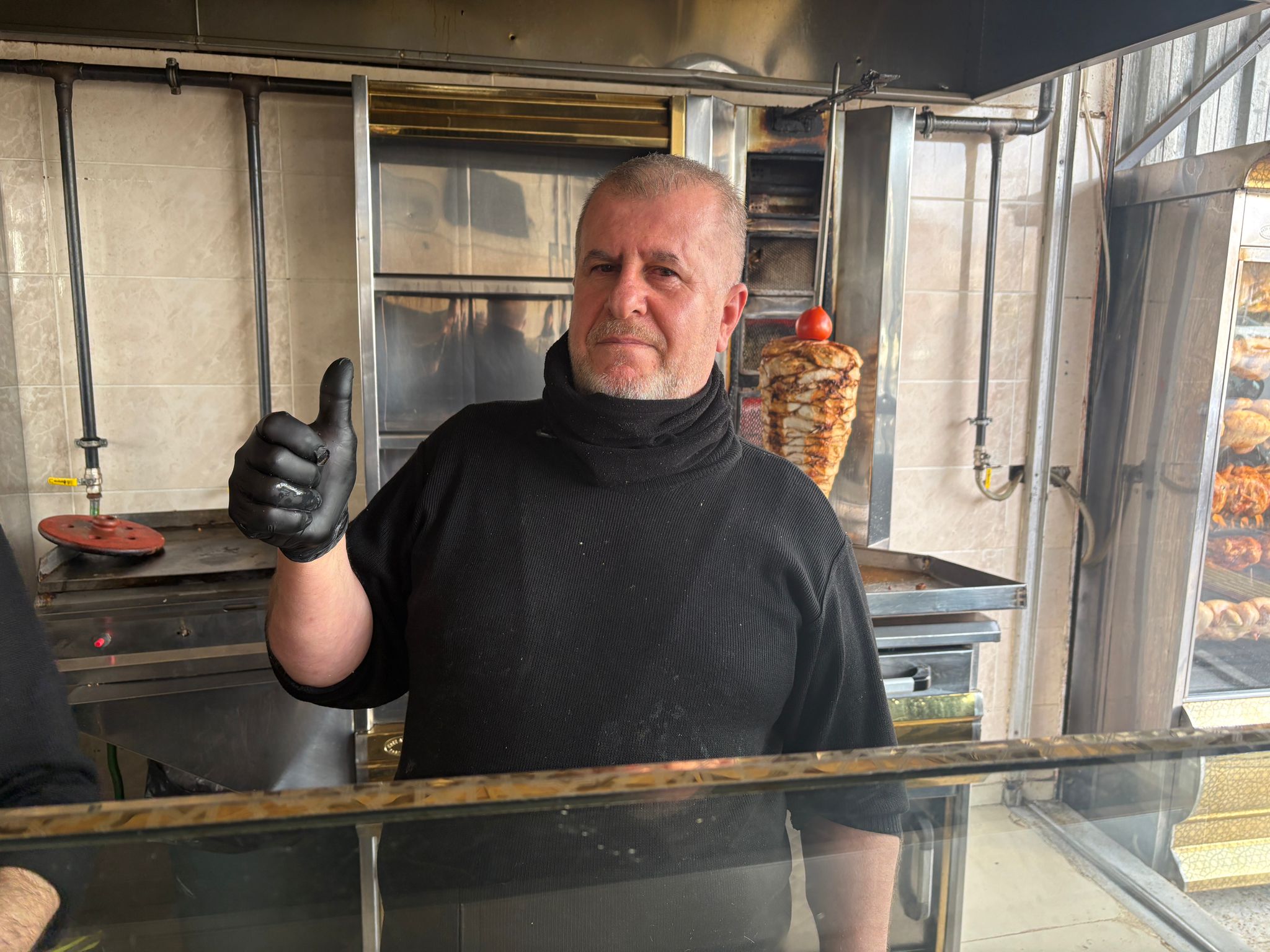
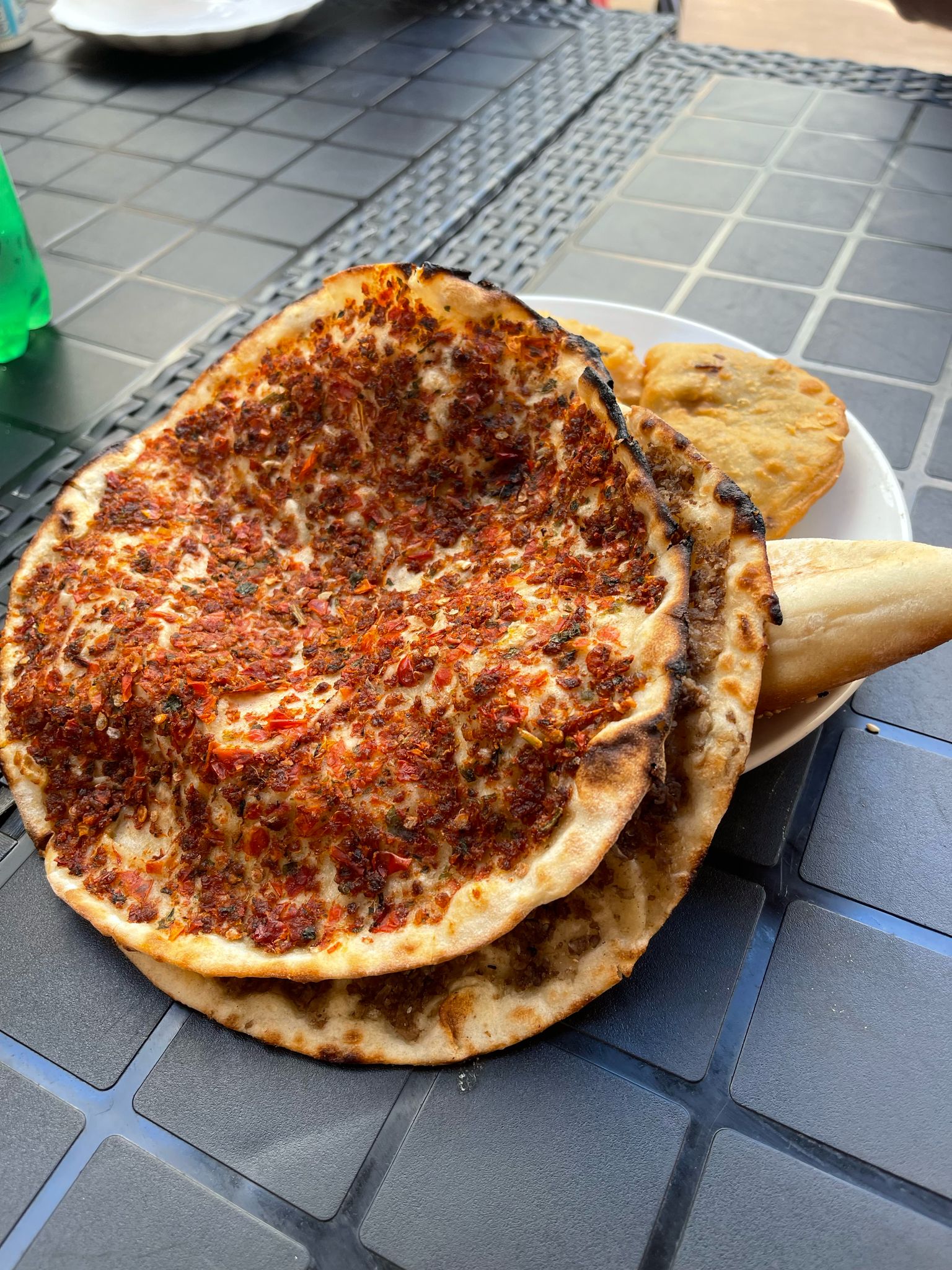
The visit aimed to highlight the contemporary Arab contribution within the Maltese context through culinary culture and lived migration experiences.
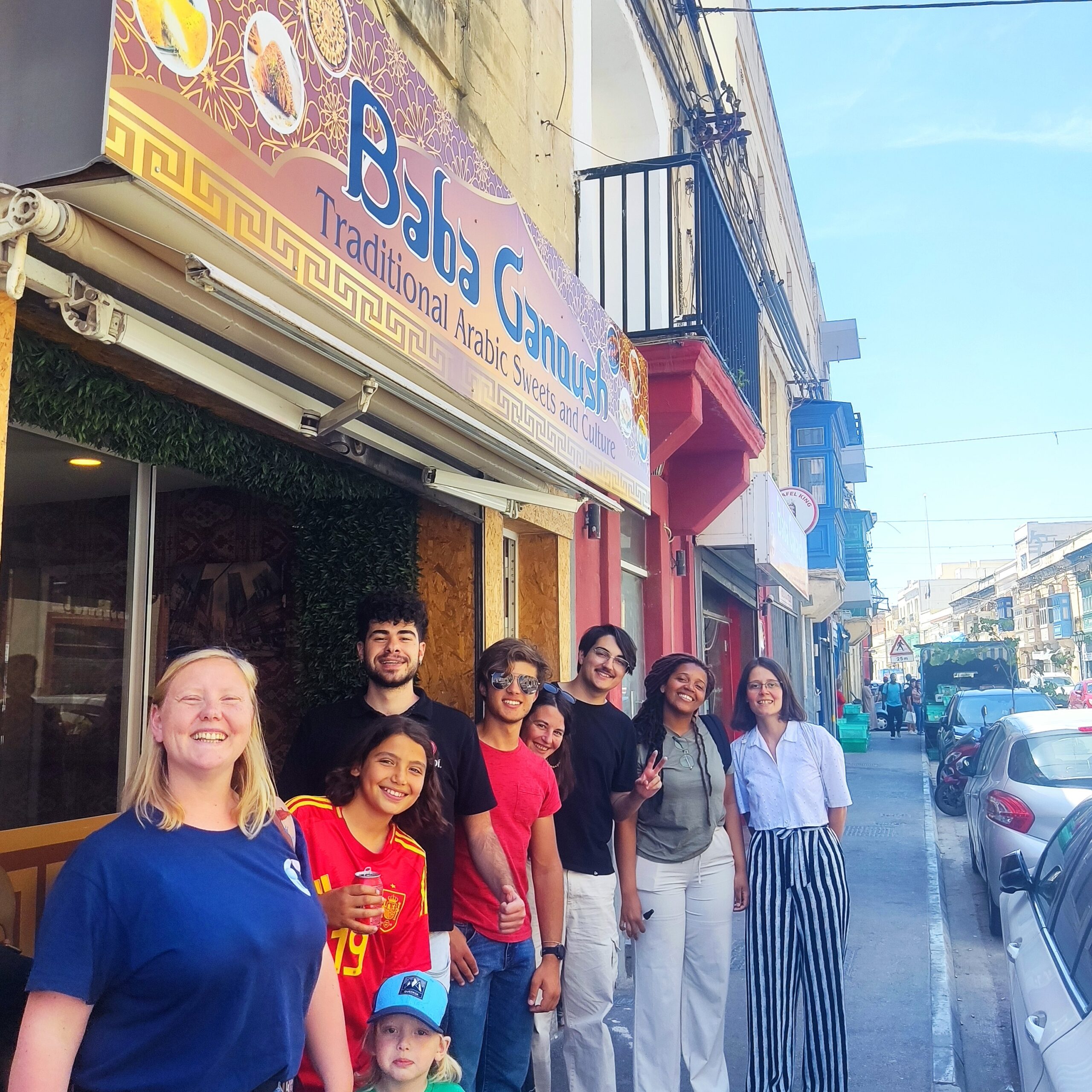
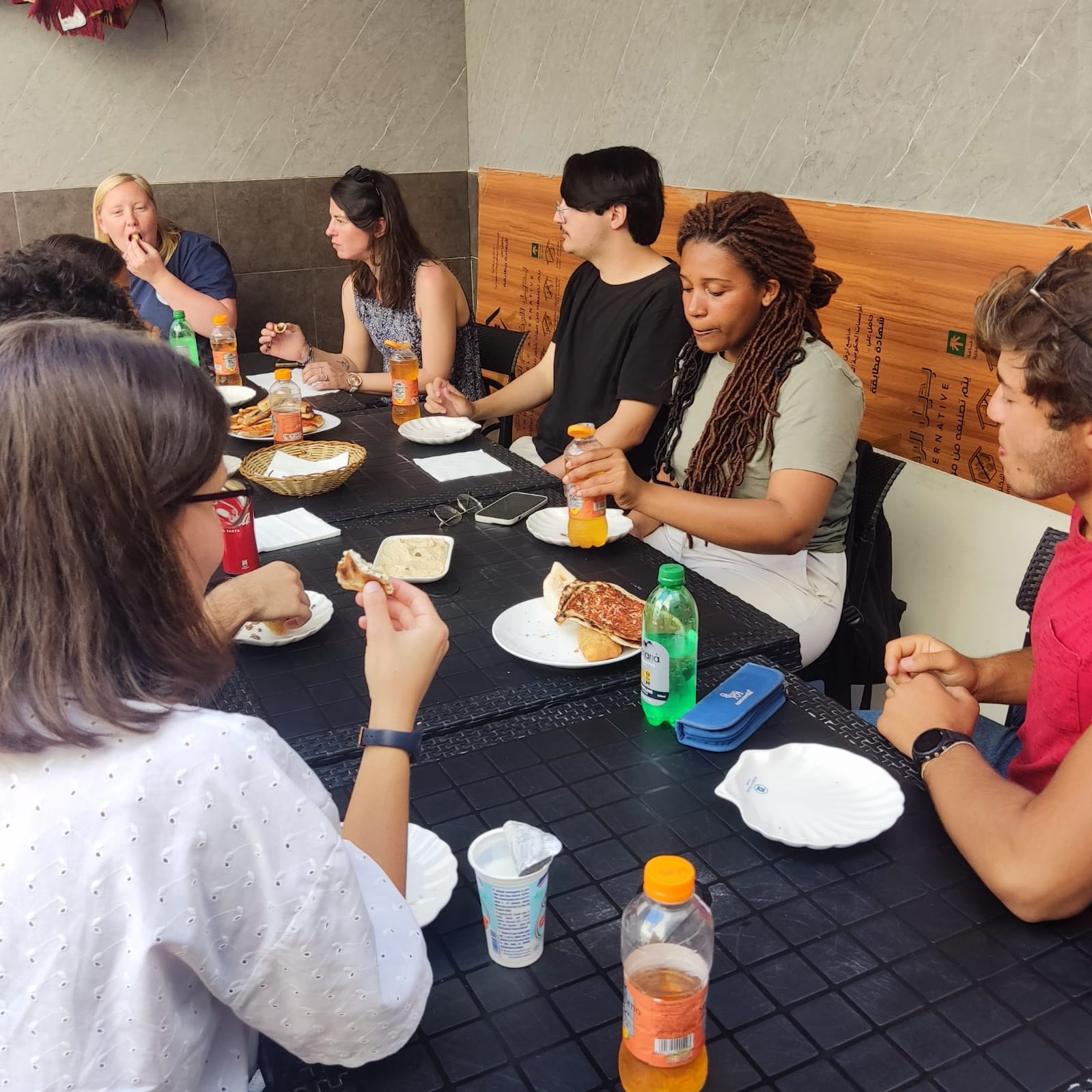
The group visited Babaganoush Lebanese Restaurant in Ħamrun, a locally established restaurant offering traditional Lebanese dishes and shared dining experiences.
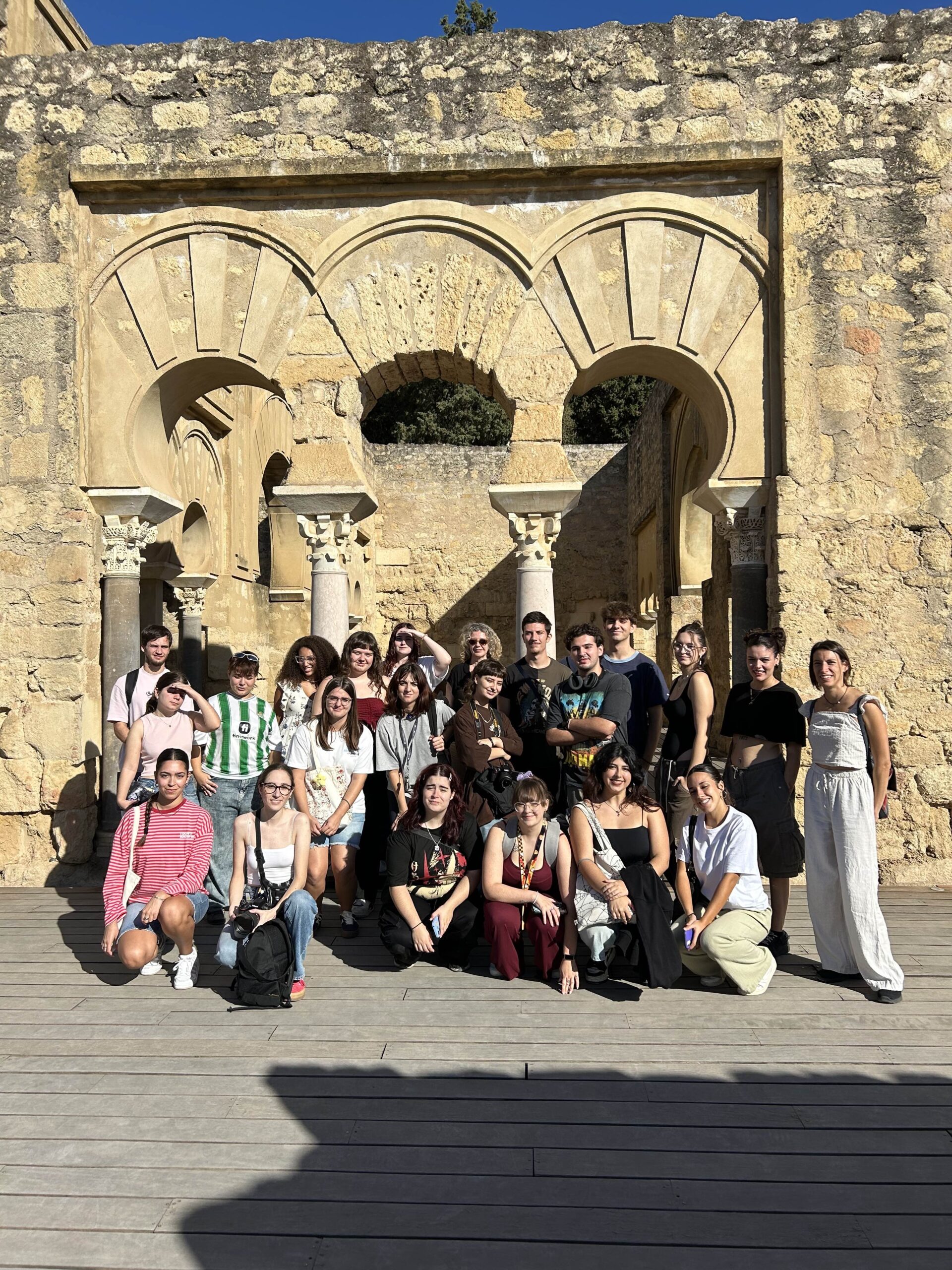
The group visited the Mosque Cathedral of Córdoba, one of the most significant examples of Islamic architecture in the Western world. Originally constructed in the 8th century under the Umayyad Emir Abd al-Rahman I and later transformed into a Christian cathedral, the monument represents a complex layering of religious and cultural histories.